
Cumin Seeds
Cuminum cyminumClinical Encyclopedia
Cumin Seeds provides 375 kcal, 17.8g of protein, 44.2g of carbohydrates, and 10.5g of fiber per 100g. With a Nutri-Score grade 'A', it is a highly recommended option for nutrient density.
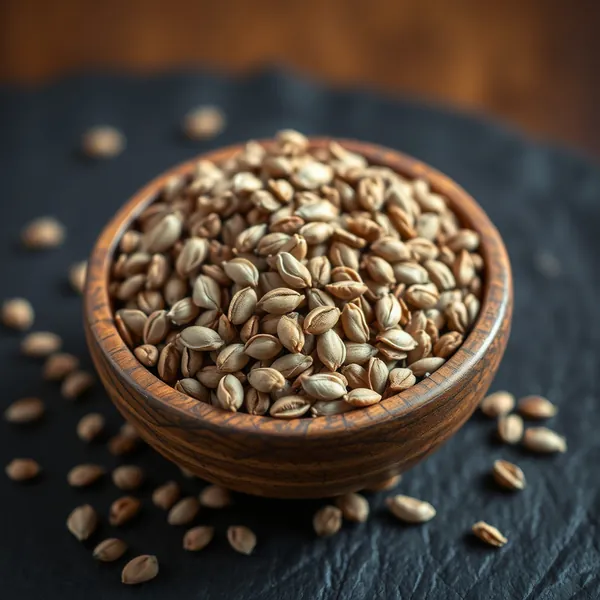
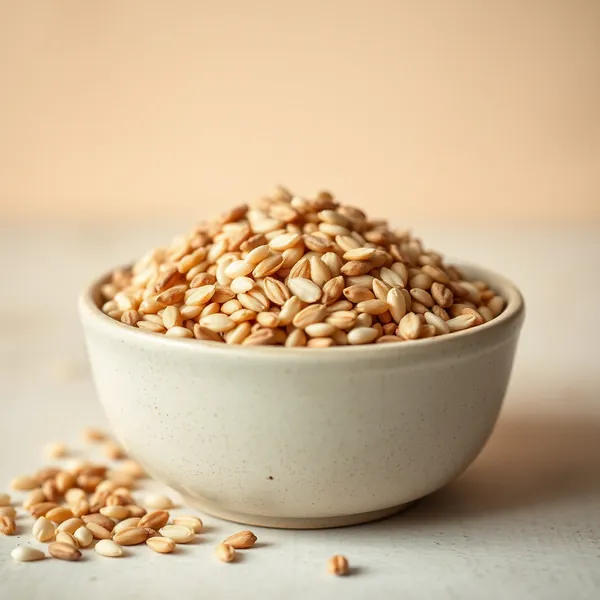
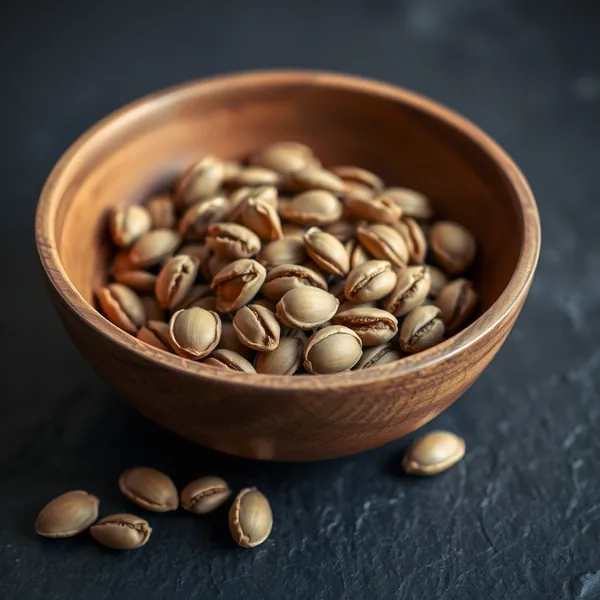
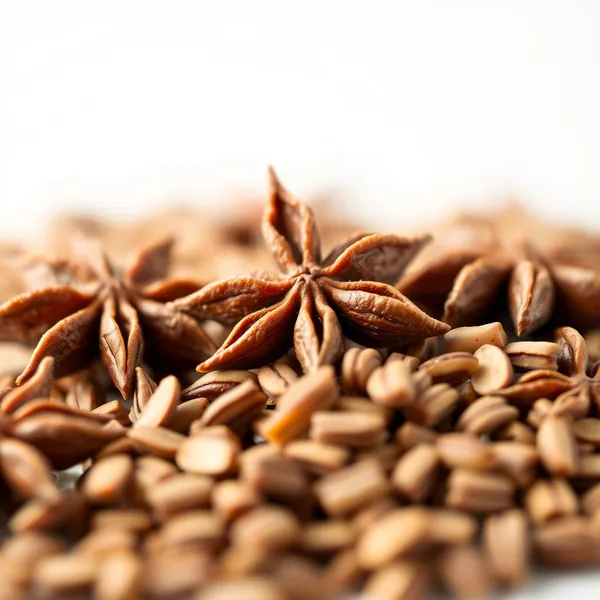
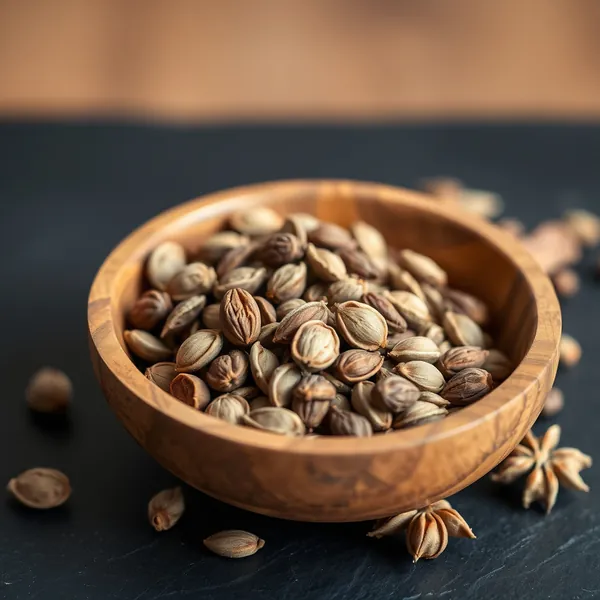
Cumin seeds are aromatic seeds from the Cuminum cyminum plant, widely used as a spice in various cuisines. They are known for their distinctive flavor and numerous health benefits.
Macronutrient Ratio
Caloric distribution of primary energy metrics per 100g
Micronutrient DV% Score
Top vitamins and minerals ranked by percentage of Daily Recommended Value
Complete Micronutrient Breakdown
Detailed concentration of essential micronutrients per 100g serving.
Vitamins
Minerals
Health Benefits
Possible Risks & Side Effects
How to Prepare & Consume
Cumin seeds can be used whole or ground. Toasting them lightly before use can enhance their flavor. They are commonly added to curries, stews, and spice blends.
Smart Selection & Storage
Choose cumin seeds that are whole, aromatic, and free from any signs of moisture or mold. Fresh seeds will have a strong, pungent aroma.
Store cumin seeds in an airtight container in a cool, dark place. Ground cumin should be used within six months for optimal flavor.
Myths vs Realities
Healthy Recipes
Healthy Cumin Seeds Delight
A delicious healthy recipe featuring Cumin Seeds.
- 100g Cumin Seeds
- 1. Prepare the ingredients.
- 2. Mix and enjoy!
Frequently Asked Questions (FAQ)
What are the health benefits of cumin seeds?
Cumin seeds are known for their antioxidant properties, aiding digestion, improving blood sugar control, and reducing inflammation.
How can I incorporate cumin seeds into my diet?
You can add cumin seeds to curries, soups, stews, or use them in spice blends and marinades.
Are cumin seeds safe during pregnancy?
Cumin seeds are generally safe in culinary amounts during pregnancy, but excessive intake should be avoided.
Can cumin seeds help with weight loss?
Some studies suggest that cumin seeds may aid in weight loss by enhancing metabolism and fat burning.
How should cumin seeds be stored?
Store cumin seeds in a cool, dark place in an airtight container to maintain freshness.
What is the difference between cumin seeds and ground cumin?
Cumin seeds are the whole form, while ground cumin is the powdered form. Ground cumin has a shorter shelf life and may lose flavor faster.
Can cumin seeds cause allergic reactions?
Yes, some individuals may experience allergic reactions to cumin seeds, especially those allergic to other spices.
What is the glycemic index of cumin seeds?
Cumin seeds have a glycemic index of 30, making them a low-GI food that is suitable for blood sugar management.