
Amaranth
Amaranthus spp.Clinical Encyclopedia
Amaranth provides 371 kcal, 13.6g of protein, 65g of carbohydrates, and 6.7g of fiber per 100g. With a Nutri-Score grade 'A', it is a highly recommended option for nutrient density.
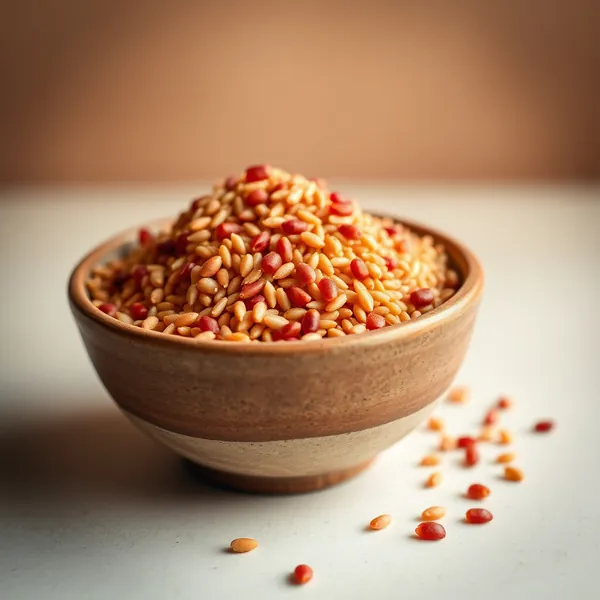
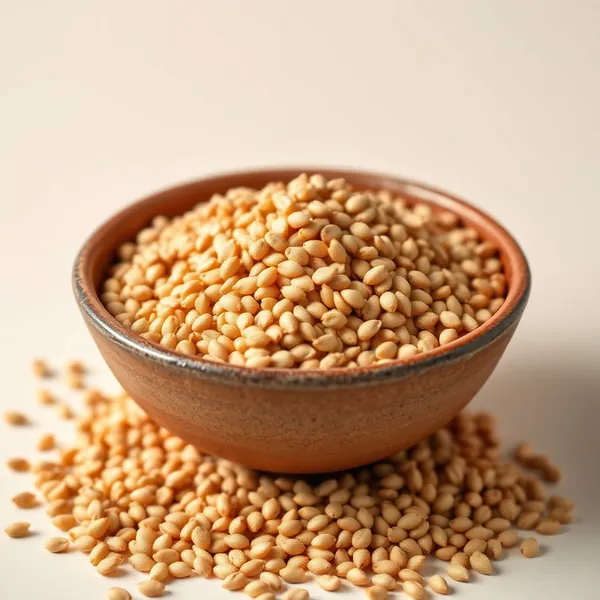
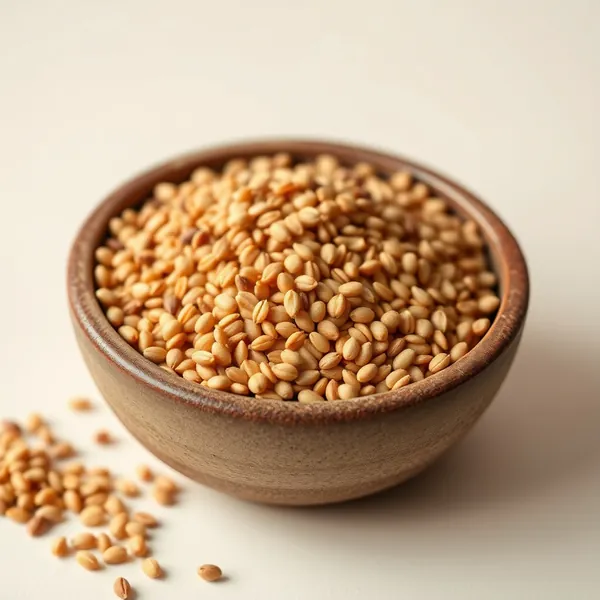
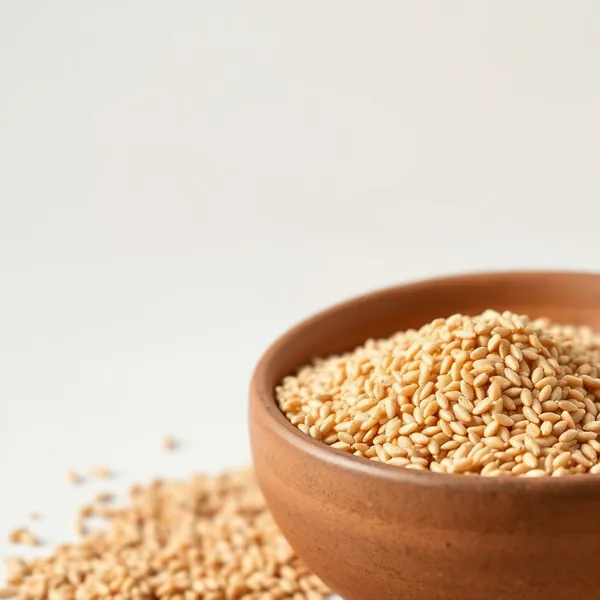
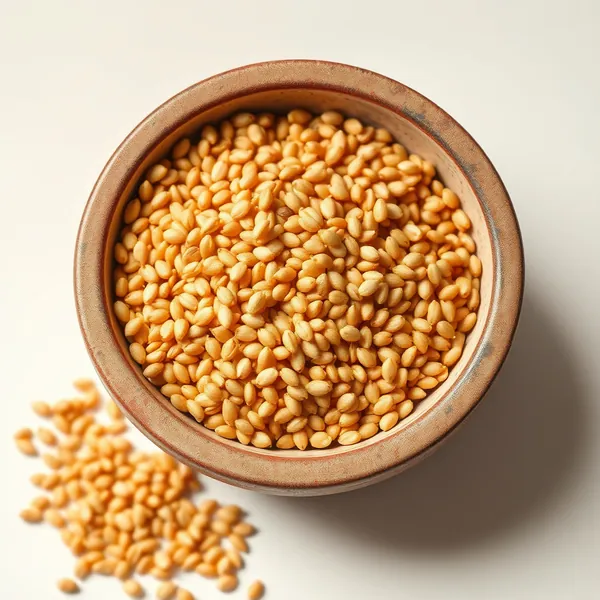
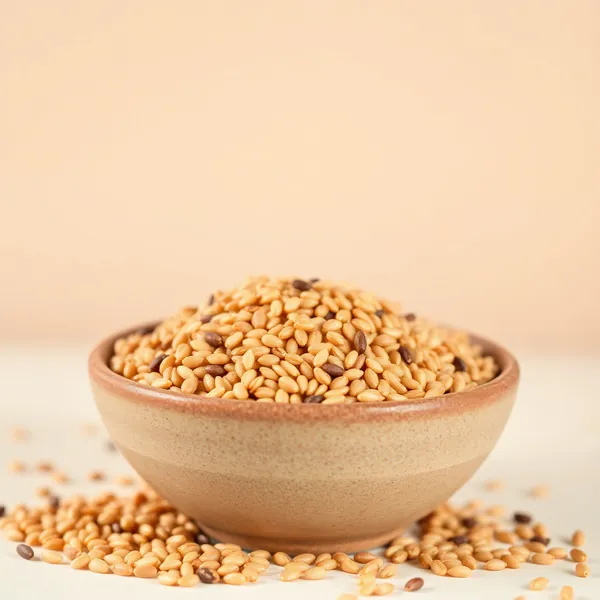
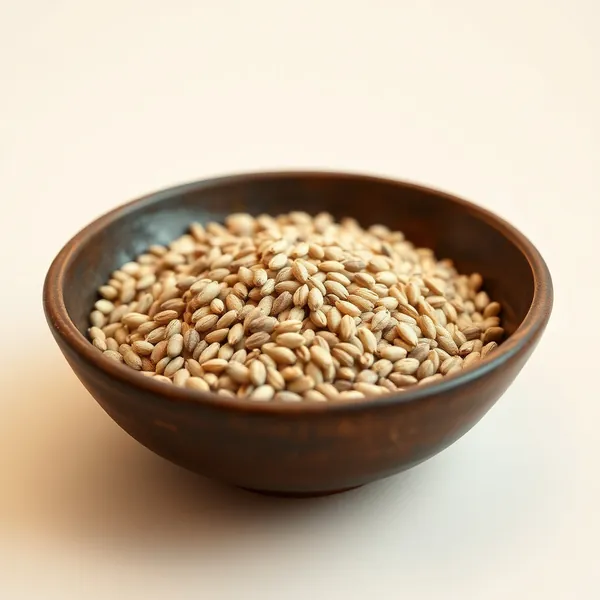
Amaranth is a highly nutritious grain known for its high protein content and rich array of vitamins and minerals. It is gluten-free and offers a variety of health benefits, making it a popular choice among health-conscious individuals.
Macronutrient Ratio
Caloric distribution of primary energy metrics per 100g
Micronutrient DV% Score
Top vitamins and minerals ranked by percentage of Daily Recommended Value
Complete Micronutrient Breakdown
Detailed concentration of essential micronutrients per 100g serving.
Vitamins
Minerals
Health Benefits
Possible Risks & Side Effects
How to Prepare & Consume
Amaranth can be cooked like rice or quinoa, boiled, or used in baking. It is best to rinse before cooking to remove any bitter saponins.
Smart Selection & Storage
Choose amaranth seeds that are whole, unbroken, and free from any signs of moisture or pests. Look for organic options when possible.
Store amaranth in an airtight container in a cool, dark place to maintain freshness. It can also be refrigerated for extended shelf life.
Myths vs Realities
Healthy Recipes
Amaranth Breakfast Bowl
Start your day with a nutritious amaranth breakfast bowl topped with fresh fruits and nuts for a wholesome meal.
- 1 cup cooked amaranth
- 1/2 cup almond milk
- 1 banana, sliced
- 1/4 cup mixed berries
- 2 tablespoons almond butter
- 1 tablespoon chia seeds
- 1. In a bowl, combine cooked amaranth and almond milk, heating gently if desired.
- 2. Top with sliced banana, mixed berries, and almond butter.
- 3. Sprinkle chia seeds on top and enjoy!
Amaranth Salad with Roasted Vegetables
A vibrant salad featuring roasted seasonal vegetables and protein-packed amaranth, perfect for lunch or dinner.
- 1 cup cooked amaranth
- 1 zucchini, diced
- 1 bell pepper, diced
- 1 cup cherry tomatoes
- 2 tablespoons olive oil
- Salt and pepper to taste
- Fresh basil for garnish
- 1. Preheat the oven to 400°F (200°C).
- 2. Toss zucchini, bell pepper, and cherry tomatoes with olive oil, salt, and pepper, then roast for 20 minutes.
- 3. Combine roasted vegetables with cooked amaranth, garnish with fresh basil, and serve.
Amaranth and Black Bean Tacos
Delicious and filling tacos made with amaranth and black beans, topped with avocado and fresh salsa.
- 1 cup cooked amaranth
- 1 can black beans, rinsed and drained
- 8 corn tortillas
- 1 avocado, sliced
- 1/2 cup salsa
- Lime wedges for serving
- 1. Warm the corn tortillas in a skillet over medium heat.
- 2. In a bowl, mix cooked amaranth and black beans together.
- 3. Assemble tacos by filling tortillas with the amaranth mixture, avocado slices, and salsa, then serve with lime wedges.
Amaranth Energy Bites
Nutritious energy bites made with amaranth, nut butter, and seeds, perfect for a healthy snack on the go.
- 1 cup cooked amaranth
- 1/2 cup almond butter
- 1/4 cup honey
- 1/4 cup sunflower seeds
- 1/4 cup dark chocolate chips
- 1/2 teaspoon vanilla extract
- 1. In a bowl, mix together cooked amaranth, almond butter, honey, sunflower seeds, chocolate chips, and vanilla extract.
- 2. Form the mixture into small balls and place on a baking sheet.
- 3. Refrigerate for at least 30 minutes before serving.
Amaranth Vegetable Stir-Fry
A quick and healthy stir-fry featuring amaranth and a variety of colorful vegetables for a nutrient-rich meal.
- 1 cup cooked amaranth
- 2 cups mixed vegetables (broccoli, bell peppers, carrots)
- 2 tablespoons soy sauce
- 1 tablespoon sesame oil
- 1 teaspoon ginger, grated
- 1 clove garlic, minced
- 1. Heat sesame oil in a large skillet over medium heat, then add garlic and ginger, sautéing for 1 minute.
- 2. Add mixed vegetables and stir-fry for 5-7 minutes until tender.
- 3. Stir in cooked amaranth and soy sauce, cooking for an additional 2 minutes before serving.
Amaranth Porridge with Nuts and Seeds
A creamy and satisfying porridge made with amaranth, topped with nuts and seeds for added crunch and nutrition.
- 1 cup amaranth
- 3 cups water
- 1/4 cup walnuts, chopped
- 2 tablespoons pumpkin seeds
- 1 tablespoon maple syrup
- Cinnamon to taste
- 1. In a saucepan, bring water to a boil, then add amaranth, reducing heat to low and simmering for 20 minutes.
- 2. Once cooked, stir in maple syrup and cinnamon.
- 3. Serve topped with chopped walnuts and pumpkin seeds.
Amaranth and Spinach Stuffed Peppers
Colorful bell peppers stuffed with a flavorful mixture of amaranth, spinach, and spices, baked to perfection.
- 4 bell peppers, halved
- 1 cup cooked amaranth
- 2 cups fresh spinach, chopped
- 1/2 cup feta cheese, crumbled
- 1 teaspoon oregano
- Salt and pepper to taste
- 1. Preheat the oven to 375°F (190°C).
- 2. In a bowl, combine cooked amaranth, spinach, feta cheese, oregano, salt, and pepper.
- 3. Stuff the bell pepper halves with the mixture and place in a baking dish, baking for 25-30 minutes.
Amaranth Coconut Curry
A rich and creamy coconut curry featuring amaranth and an array of vegetables, served over rice or quinoa.
- 1 cup cooked amaranth
- 1 can coconut milk
- 2 cups mixed vegetables (carrots, peas, bell peppers)
- 2 tablespoons curry powder
- 1 tablespoon olive oil
- Salt to taste
- 1. In a pot, heat olive oil and sauté mixed vegetables for 5 minutes.
- 2. Add coconut milk, curry powder, and salt, simmering for 10 minutes.
- 3. Stir in cooked amaranth and serve hot.
Amaranth Chocolate Chip Cookies
Healthy chocolate chip cookies made with amaranth flour, providing a nutritious twist on a classic treat.
- 1 cup amaranth flour
- 1/2 cup almond butter
- 1/4 cup honey
- 1/2 teaspoon baking soda
- 1/4 cup dark chocolate chips
- 1/2 teaspoon vanilla extract
- 1. Preheat the oven to 350°F (175°C) and line a baking sheet with parchment paper.
- 2. In a bowl, mix amaranth flour, almond butter, honey, baking soda, and vanilla until combined.
- 3. Fold in chocolate chips, scoop onto the baking sheet, and bake for 10-12 minutes.
Amaranth and Lentil Soup
A hearty and nutritious soup combining amaranth and lentils, packed with flavor and perfect for any season.
- 1 cup cooked amaranth
- 1 cup lentils, rinsed
- 4 cups vegetable broth
- 1 onion, diced
- 2 carrots, diced
- 2 cloves garlic, minced
- 1 teaspoon thyme
- 1. In a large pot, sauté onion, carrots, and garlic until softened.
- 2. Add lentils and vegetable broth, bringing to a boil, then reduce heat and simmer for 30 minutes.
- 3. Stir in cooked amaranth and thyme, cooking for an additional 5 minutes before serving.
Frequently Asked Questions (FAQ)
Is amaranth gluten-free?
Yes, amaranth is naturally gluten-free, making it suitable for those with celiac disease or gluten intolerance.
How do you cook amaranth?
To cook amaranth, use a ratio of 1 cup of amaranth to 2.5 cups of water. Bring to a boil, then simmer for about 20 minutes until the grains are tender.
What are the health benefits of amaranth?
Amaranth is rich in protein, fiber, and essential nutrients, which can support heart health, digestive health, and weight management.
Can amaranth be eaten raw?
While amaranth can be sprouted and eaten raw, it is typically cooked to enhance digestibility and nutrient absorption.
How should amaranth be stored?
Store amaranth in an airtight container in a cool, dry place. It can last for several months when stored properly.
Is amaranth suitable for weight loss?
Yes, due to its high fiber content and low glycemic index, amaranth can help promote satiety and support weight loss efforts.
Can I use amaranth flour in baking?
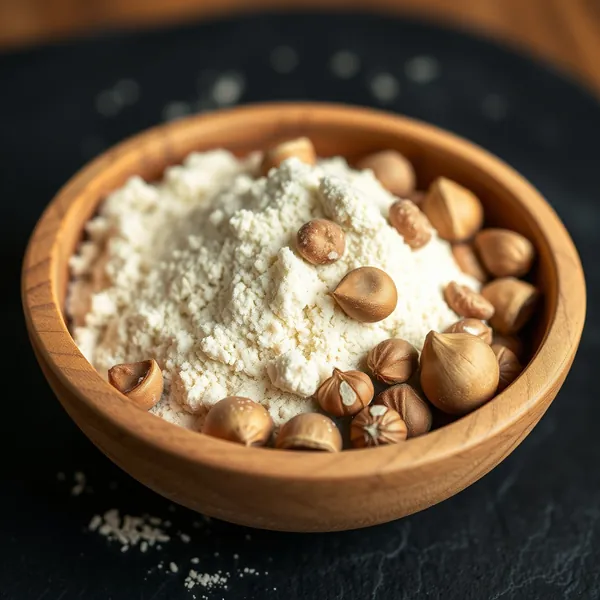
Yes, amaranth flour can be used in baking, but it is best combined with other flours for optimal texture.
What nutrients are found in amaranth?
Amaranth is rich in protein, fiber, iron, magnesium, and several vitamins, making it a nutrient-dense food option.