
Mung Beans
Vigna radiataClinical Encyclopedia
Mung Beans provides 347 kcal, 23.9g of protein, 62.6g of carbohydrates, and 16.3g of fiber per 100g. With a Nutri-Score grade 'A', it is a highly recommended option for nutrient density.
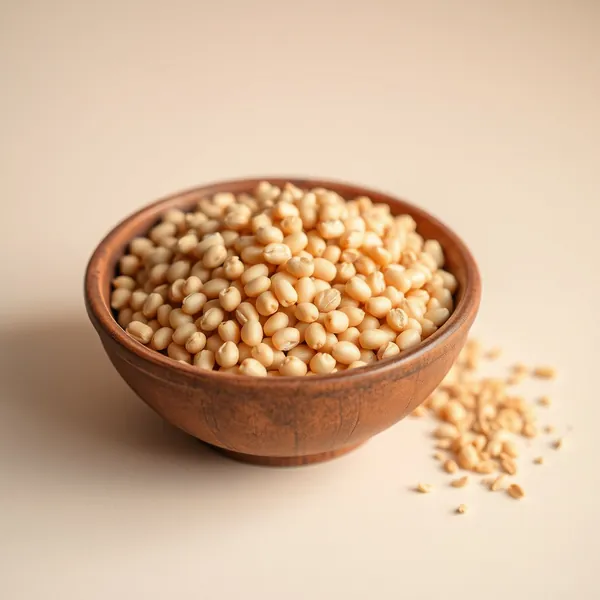
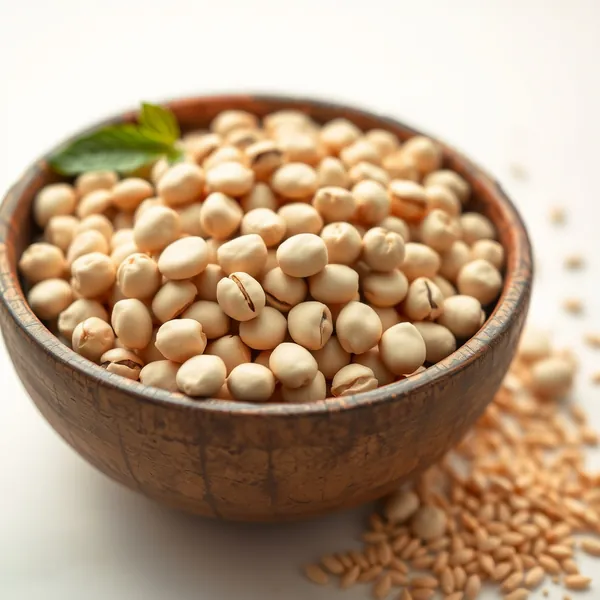
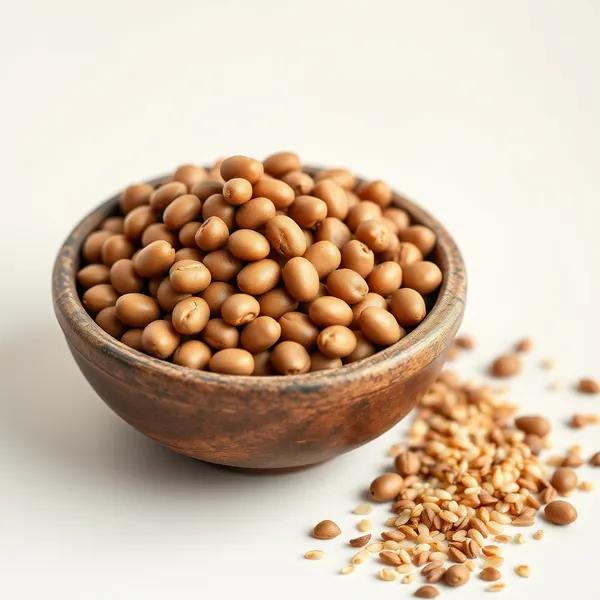
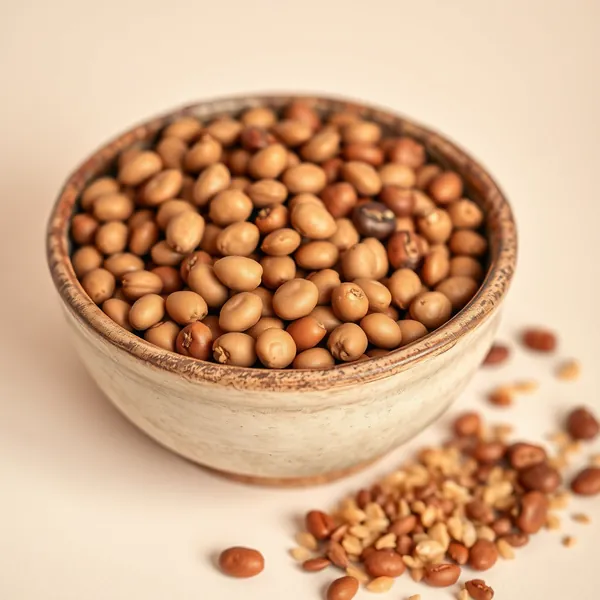
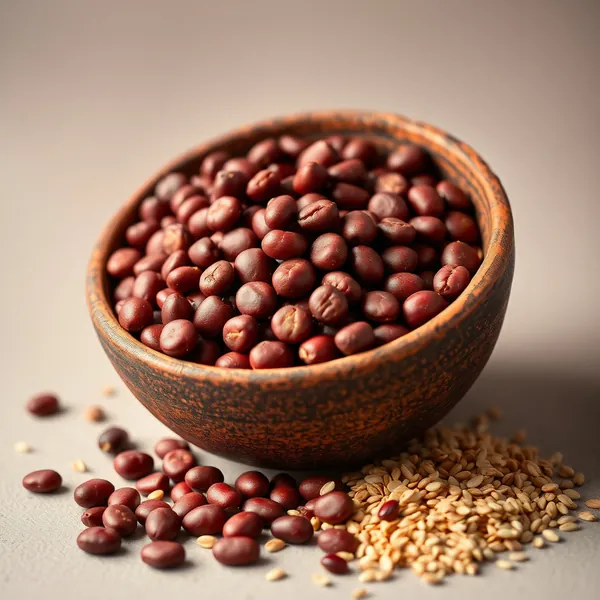
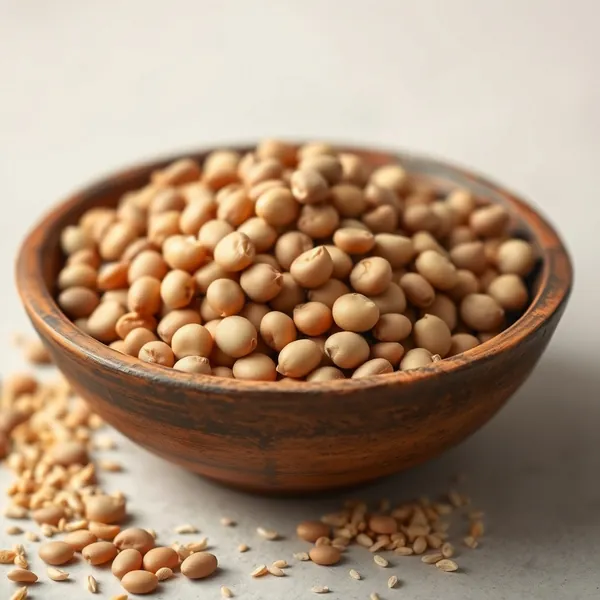
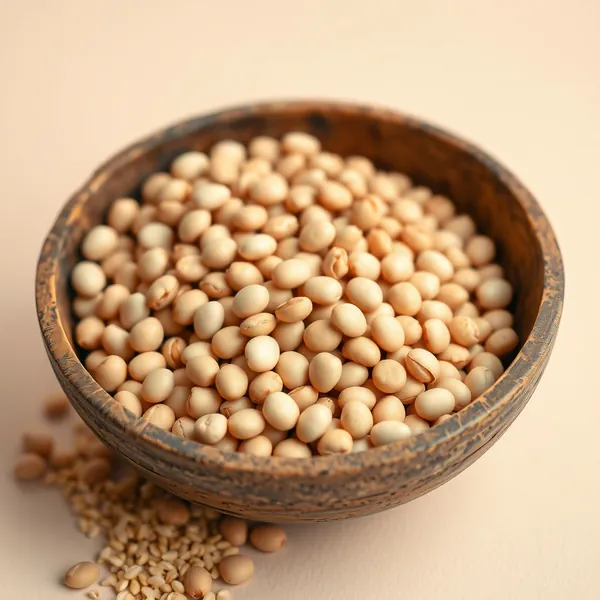
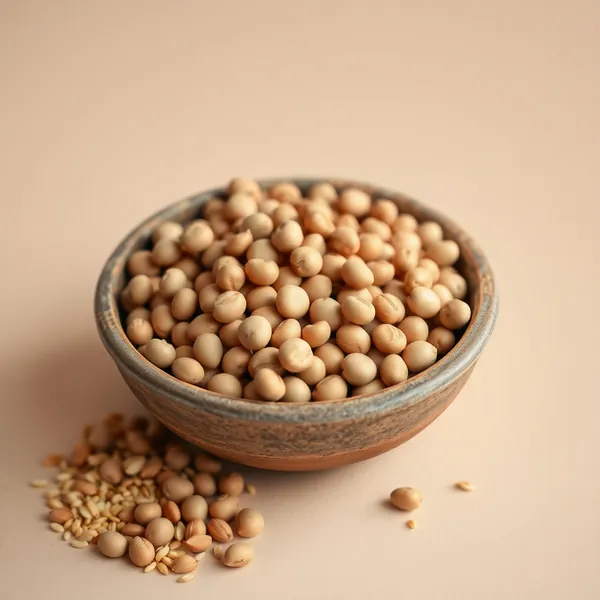
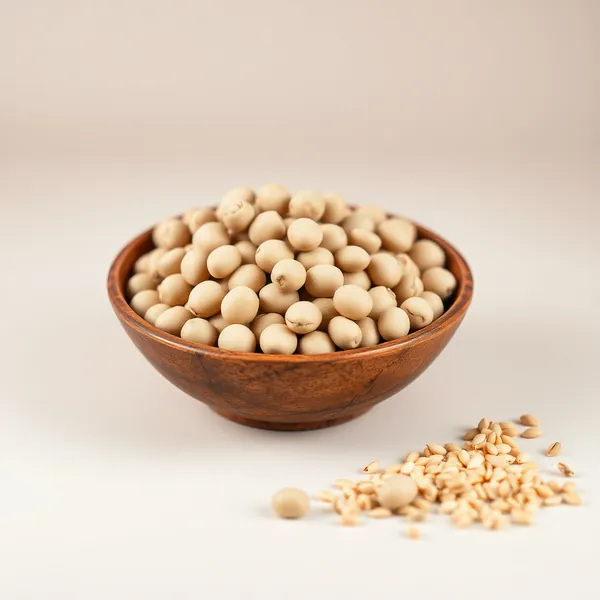
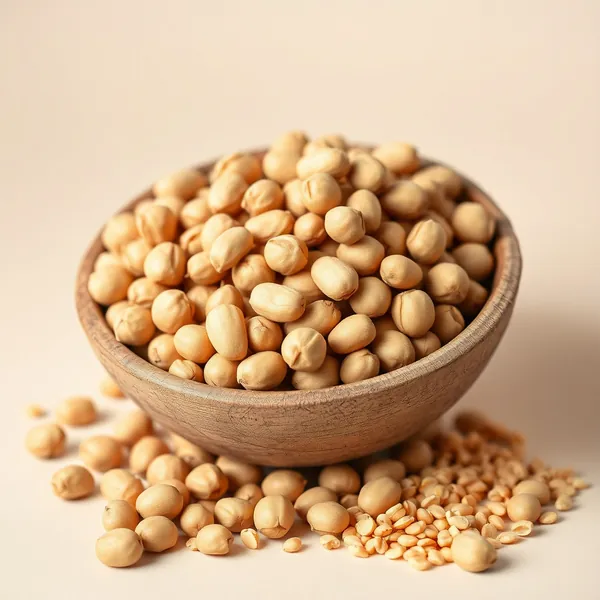
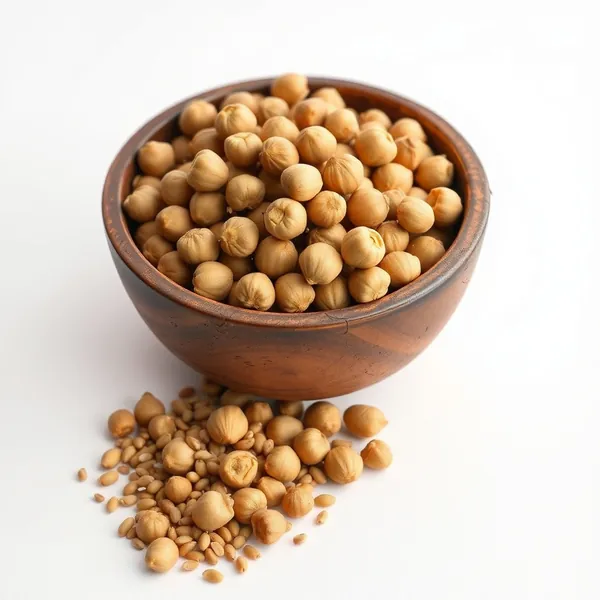
Mung beans are small, green legumes known for their high protein content and nutritional benefits. They are commonly used in Asian cuisine and are rich in vitamins, minerals, and antioxidants.
Macronutrient Ratio
Caloric distribution of primary energy metrics per 100g
Micronutrient DV% Score
Top vitamins and minerals ranked by percentage of Daily Recommended Value
Complete Micronutrient Breakdown
Detailed concentration of essential micronutrients per 100g serving.
Vitamins
Minerals
Health Benefits
Possible Risks & Side Effects
How to Prepare & Consume
Mung beans can be soaked and sprouted for added nutritional benefits, or cooked in soups, stews, and salads. They can also be ground into flour for baking.
Smart Selection & Storage
Choose mung beans that are uniform in color and free from cracks or blemishes. Fresh beans should be firm and dry.
Store in a cool, dry place in an airtight container to keep them fresh for up to a year.
Myths vs Realities
Healthy Recipes
Spicy Mung Bean Salad
A refreshing and zesty salad featuring mung beans, fresh vegetables, and a tangy dressing, perfect for a light meal or side dish.
- 1 cup cooked mung beans
- 1/2 cup diced cucumber
- 1/2 cup cherry tomatoes, halved
- 1/4 cup red onion, finely chopped
- 2 tablespoons olive oil
- 1 tablespoon lemon juice
- 1 teaspoon chili powder
- Salt and pepper to taste
- 1. In a large bowl, combine cooked mung beans, cucumber, cherry tomatoes, and red onion.
- 2. In a separate bowl, whisk together olive oil, lemon juice, chili powder, salt, and pepper.
- 3. Pour the dressing over the salad, toss gently, and serve chilled.
Mung Bean Stir-Fry
A quick and nutritious stir-fry combining mung beans with colorful vegetables and a savory sauce for a wholesome meal.
- 1 cup cooked mung beans
- 1 cup mixed bell peppers, sliced
- 1 cup broccoli florets
- 2 cloves garlic, minced
- 2 tablespoons soy sauce
- 1 tablespoon sesame oil
- 1 teaspoon ginger, grated
- Sesame seeds for garnish
- 1. Heat sesame oil in a large skillet over medium heat.
- 2. Add garlic and ginger, sauté for 1 minute, then add bell peppers and broccoli, cooking until tender.
- 3. Stir in cooked mung beans and soy sauce, cook for another 2 minutes, and garnish with sesame seeds before serving.
Mung Bean Soup
A hearty and comforting soup made with mung beans, vegetables, and spices, perfect for a nourishing meal.
- 1 cup dried mung beans
- 1 onion, chopped
- 2 carrots, diced
- 2 celery stalks, diced
- 4 cups vegetable broth
- 1 teaspoon cumin
- Salt and pepper to taste
- Fresh cilantro for garnish
- 1. Rinse and soak mung beans for 1 hour, then drain.
- 2. In a large pot, sauté onion, carrots, and celery until soft.
- 3. Add soaked mung beans, vegetable broth, cumin, salt, and pepper, and simmer for 30-40 minutes until beans are tender. Garnish with cilantro before serving.
Mung Bean Pancakes
Savory pancakes made with ground mung beans and spices, served with a yogurt dip for a healthy breakfast or snack.
- 1 cup mung bean flour
- 1/2 teaspoon turmeric
- 1/2 teaspoon cumin
- 1/2 cup water
- Salt to taste
- 1 cup plain yogurt
- 1 tablespoon chopped mint
- 1. In a bowl, mix mung bean flour, turmeric, cumin, water, and salt to form a batter.
- 2. Heat a non-stick skillet and pour in batter to form pancakes, cooking until golden on both sides.
- 3. Mix yogurt with chopped mint and serve as a dip alongside pancakes.
Mung Bean and Quinoa Bowl
A nutritious bowl combining mung beans and quinoa, topped with fresh veggies and a creamy tahini dressing.
- 1 cup cooked mung beans
- 1 cup cooked quinoa
- 1/2 cup diced bell peppers
- 1/2 avocado, sliced
- 2 tablespoons tahini
- 1 tablespoon lemon juice
- Salt and pepper to taste
- 1. In a bowl, layer cooked mung beans and quinoa.
- 2. Top with diced bell peppers and avocado slices.
- 3. In a small bowl, whisk together tahini, lemon juice, salt, and pepper, then drizzle over the bowl before serving.
Mung Bean Curry
A flavorful and aromatic curry made with mung beans, coconut milk, and spices, served with brown rice for a complete meal.
- 1 cup cooked mung beans
- 1 can coconut milk
- 1 onion, chopped
- 2 cloves garlic, minced
- 1 tablespoon curry powder
- 1 tablespoon olive oil
- Salt to taste
- Fresh cilantro for garnish
- 1. In a pot, heat olive oil and sauté onion and garlic until translucent.
- 2. Add curry powder and cooked mung beans, stirring for 2 minutes.
- 3. Pour in coconut milk, simmer for 10 minutes, and garnish with cilantro before serving with brown rice.
Mung Bean Hummus
A healthy twist on traditional hummus using mung beans, tahini, and spices, perfect as a dip or spread.
- 1 cup cooked mung beans
- 1/4 cup tahini
- 2 tablespoons lemon juice
- 1 clove garlic
- 1 tablespoon olive oil
- Salt to taste
- Paprika for garnish
- 1. In a food processor, combine cooked mung beans, tahini, lemon juice, garlic, olive oil, and salt.
- 2. Blend until smooth, adding water if necessary to achieve desired consistency.
- 3. Transfer to a bowl, sprinkle with paprika, and serve with veggies or pita chips.
Mung Bean Tacos
Delicious and healthy tacos filled with spiced mung beans and topped with fresh salsa and avocado.
- 1 cup cooked mung beans
- 1 teaspoon taco seasoning
- 4 corn tortillas
- 1/2 cup diced tomatoes
- 1/2 avocado, sliced
- Fresh cilantro for garnish
- 1. In a skillet, heat cooked mung beans with taco seasoning until warmed through.
- 2. Warm corn tortillas in a separate pan.
- 3. Fill each tortilla with mung beans, top with diced tomatoes and avocado, and garnish with cilantro before serving.
Mung Bean Energy Balls
Nutritious energy balls made with mung beans, oats, and nuts, perfect for a healthy snack on the go.
- 1 cup cooked mung beans
- 1 cup rolled oats
- 1/2 cup almond butter
- 1/4 cup honey
- 1/4 cup chopped nuts
- 1/4 cup dark chocolate chips
- 1. In a bowl, mix cooked mung beans, rolled oats, almond butter, honey, chopped nuts, and chocolate chips until well combined.
- 2. Form into small balls and refrigerate for at least 30 minutes before serving.
- 3. Enjoy as a quick snack or post-workout fuel.
Mung Bean and Spinach Frittata
A protein-packed frittata featuring mung beans and fresh spinach, perfect for breakfast or brunch.
- 1 cup cooked mung beans
- 4 eggs
- 1 cup fresh spinach, chopped
- 1/4 cup feta cheese, crumbled
- Salt and pepper to taste
- 1 tablespoon olive oil
- 1. Preheat the oven to 350°F (175°C).
- 2. In a skillet, heat olive oil and sauté spinach until wilted.
- 3. In a bowl, whisk eggs, then stir in cooked mung beans, sautéed spinach, feta, salt, and pepper. Pour into the skillet and bake for 20-25 minutes until set.
Frequently Asked Questions (FAQ)
Are mung beans gluten-free?
Yes, mung beans are naturally gluten-free and safe for those with gluten intolerance.
How should I store mung beans?
Store dried mung beans in an airtight container in a cool, dry place to maintain freshness.
Can I eat mung beans raw?
Yes, sprouted mung beans can be eaten raw and are often used in salads.
What are the health benefits of mung bean sprouts?
Mung bean sprouts are low in calories and high in vitamins, minerals, and enzymes that aid digestion.
How long do mung beans take to cook?
Cook soaked mung beans for about 20-30 minutes until tender.
Can mung beans help with weight loss?
Yes, their high fiber content can promote satiety and help control appetite.
Are mung beans good for heart health?
Yes, mung beans are low in fat and high in fiber, which can help lower cholesterol levels.
How can I incorporate mung beans into my diet?
Add cooked mung beans to salads, soups, or use them as a protein source in various dishes.