
Dehydrated Kale
Brassica oleracea var. sabellicaClinical Encyclopedia
Dehydrated Kale provides 354 kcal, 29g of protein, 50g of carbohydrates, and 38g of fiber per 100g. With a Nutri-Score grade 'A', it is a highly recommended option for nutrient density.
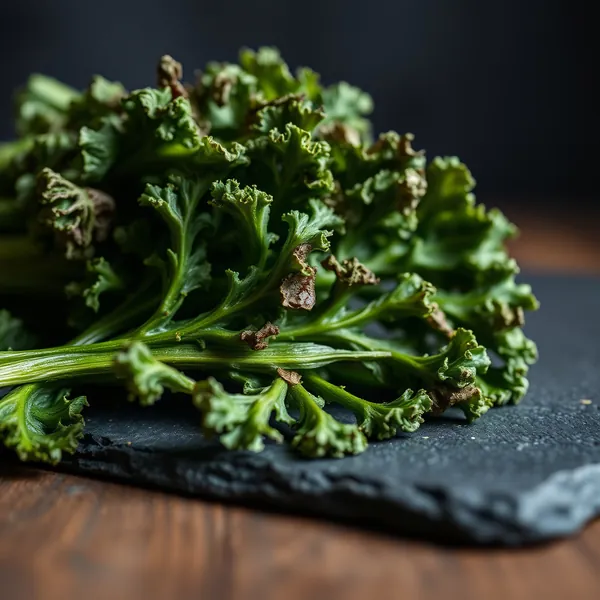
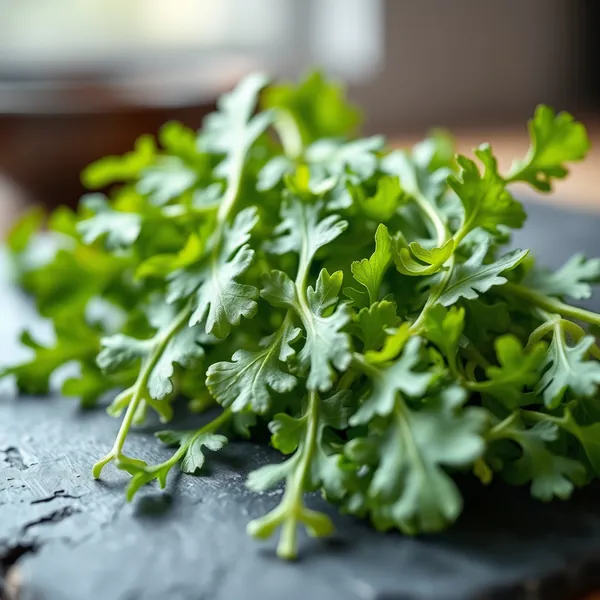
Dehydrated kale is a nutrient-dense leafy green vegetable that retains most of its vitamins and minerals after the dehydration process. It is an excellent source of antioxidants and dietary fiber.





Macronutrient Ratio
Caloric distribution of primary energy metrics per 100g
Micronutrient DV% Score
Top vitamins and minerals ranked by percentage of Daily Recommended Value
Complete Micronutrient Breakdown
Detailed concentration of essential micronutrients per 100g serving.
Vitamins
Minerals
Health Benefits
Possible Risks & Side Effects
How to Prepare & Consume
Best enjoyed rehydrated in soups, salads, or smoothies. Can also be blended into powders for use in various recipes.
Smart Selection & Storage
Choose dehydrated kale that is dark green in color and free from any signs of mold or off odors.
Keep in an airtight container in a cool, dark place to maximize shelf life and maintain quality.
Myths vs Realities
Healthy Recipes
Dehydrated Kale Chips with Nutritional Yeast
These crunchy kale chips are seasoned with nutritional yeast for a cheesy flavor while remaining completely dairy-free. Perfect for a healthy snack!
- 1 bunch of dehydrated kale
- 2 tablespoons nutritional yeast
- 1 tablespoon olive oil
- 1 teaspoon garlic powder
- 1 teaspoon sea salt
- 1. Preheat the oven to 300°F (150°C).
- 2. In a large bowl, combine the dehydrated kale, olive oil, nutritional yeast, garlic powder, and sea salt.
- 3. Spread the mixture evenly on a baking sheet and bake for 15-20 minutes until crispy.
Dehydrated Kale and Quinoa Salad
This vibrant salad combines protein-rich quinoa with dehydrated kale, offering a nutritious and filling meal that's perfect for lunch.
- 1 cup cooked quinoa
- 1/2 cup dehydrated kale
- 1/2 cup cherry tomatoes, halved
- 1/4 cup diced cucumber
- 2 tablespoons lemon juice
- Salt and pepper to taste
- 1. In a large bowl, mix the cooked quinoa, dehydrated kale, cherry tomatoes, and cucumber.
- 2. Drizzle with lemon juice and season with salt and pepper.
- 3. Toss well and serve chilled or at room temperature.
Dehydrated Kale Smoothie Bowl
Start your day with this refreshing smoothie bowl packed with nutrients from dehydrated kale and topped with your favorite fruits.
- 1 banana
- 1 cup almond milk
- 1/4 cup dehydrated kale
- 1 tablespoon chia seeds
- Toppings: sliced fruits, granola, and nuts
- 1. Blend the banana, almond milk, and dehydrated kale until smooth.
- 2. Pour the smoothie into a bowl and sprinkle with chia seeds and your choice of toppings.
- 3. Enjoy immediately for a nutritious breakfast.
Dehydrated Kale Pesto
This unique twist on traditional pesto uses dehydrated kale for a nutrient boost, perfect for pasta or as a spread.
- 1 cup dehydrated kale
- 1/2 cup walnuts
- 1/2 cup olive oil
- 2 cloves garlic
- 1/4 cup Parmesan cheese (optional)
- Salt to taste
- 1. In a food processor, combine dehydrated kale, walnuts, garlic, and Parmesan cheese.
- 2. With the processor running, slowly add olive oil until the mixture is smooth.
- 3. Season with salt to taste and use immediately or store in the fridge.
Dehydrated Kale and Sweet Potato Hash
A hearty breakfast hash featuring sweet potatoes and dehydrated kale, packed with fiber and vitamins to kickstart your day.
- 2 medium sweet potatoes, diced
- 1/2 cup dehydrated kale
- 1 onion, chopped
- 2 tablespoons olive oil
- Salt and pepper to taste
- 1. Heat olive oil in a skillet over medium heat and add the diced sweet potatoes and onion.
- 2. Cook until the sweet potatoes are tender, about 10-15 minutes.
- 3. Stir in the dehydrated kale, season with salt and pepper, and cook for an additional 5 minutes.
Dehydrated Kale and Chickpea Stew
This hearty stew combines chickpeas and dehydrated kale for a comforting, protein-rich meal that's full of flavor.
- 1 can chickpeas, drained
- 1/2 cup dehydrated kale
- 1 can diced tomatoes
- 1 onion, chopped
- 2 cloves garlic, minced
- 1 teaspoon cumin
- Salt and pepper to taste
- 1. In a large pot, sauté onion and garlic until translucent.
- 2. Add chickpeas, diced tomatoes, dehydrated kale, cumin, and season with salt and pepper.
- 3. Simmer for 20 minutes, stirring occasionally, and serve warm.
Dehydrated Kale and Avocado Toast
A quick and nutritious breakfast option, this avocado toast is topped with crunchy dehydrated kale for added texture and flavor.
- 2 slices whole grain bread
- 1 ripe avocado
- 1/4 cup dehydrated kale
- Salt and pepper to taste
- Red pepper flakes (optional)
- 1. Toast the whole grain bread slices until golden brown.
- 2. Mash the avocado in a bowl and season with salt and pepper.
- 3. Spread the mashed avocado on the toast and top with dehydrated kale and red pepper flakes if desired.
Dehydrated Kale and Lentil Wraps
These wraps are filled with protein-rich lentils and crunchy dehydrated kale, making for a satisfying and healthy lunch option.
- 1 cup cooked lentils
- 1/2 cup dehydrated kale
- 4 whole grain wraps
- 1/2 cup diced bell peppers
- 2 tablespoons hummus
- 1. Spread hummus on each wrap and layer with cooked lentils, dehydrated kale, and diced bell peppers.
- 2. Roll the wraps tightly and slice in half to serve.
- 3. Enjoy as a nutritious lunch or snack.
Dehydrated Kale and Brown Rice Bowl
This nourishing bowl combines brown rice with dehydrated kale and a variety of colorful veggies for a balanced meal.
- 1 cup cooked brown rice
- 1/2 cup dehydrated kale
- 1/2 cup steamed broccoli
- 1/2 cup shredded carrots
- 2 tablespoons soy sauce
- 1. In a bowl, layer the cooked brown rice, steamed broccoli, shredded carrots, and dehydrated kale.
- 2. Drizzle with soy sauce and toss gently to combine.
- 3. Serve warm for a wholesome meal.
Dehydrated Kale and Berry Smoothie
A delicious and nutrient-packed smoothie that combines the health benefits of dehydrated kale with the sweetness of berries.
- 1 cup mixed berries (fresh or frozen)
- 1/2 cup almond milk
- 1/4 cup dehydrated kale
- 1 tablespoon honey or maple syrup (optional)
- 1. Blend the mixed berries, almond milk, and dehydrated kale until smooth.
- 2. Add honey or maple syrup if desired and blend again.
- 3. Pour into a glass and enjoy as a refreshing drink.
Frequently Asked Questions (FAQ)
What are the health benefits of dehydrated kale?
Dehydrated kale is rich in vitamins A, C, and K, and provides antioxidants and dietary fiber, supporting overall health.
How should I store dehydrated kale?
Store in an airtight container in a cool, dark place to maintain freshness and prevent moisture.
Can I eat dehydrated kale raw?
Yes, it can be consumed raw after rehydration or added to dishes without cooking.
Is dehydrated kale suitable for vegan diets?
Absolutely, dehydrated kale is plant-based and fits well into vegan and vegetarian diets.
How do I rehydrate dehydrated kale?
Soak in warm water for 10-15 minutes or add directly to soups and stews.
Can dehydrated kale be used in smoothies?
Yes, it can be blended into smoothies for added nutrition.
What is the shelf life of dehydrated kale?
When stored properly, dehydrated kale can last up to 1-2 years.
Does dehydrated kale lose nutrients?
While some nutrients may diminish during dehydration, many vitamins and minerals remain intact.