Feijão Verde vs Alho
We scientifically analyze the biological properties of Feijão Verde and Alho. Review the differences in macronutrients, vitamins, minerals, and our final nutritional verdict.
| Nutriente / Métrica | Feijão Verde (100g) | Alho (100g) |
|---|---|---|
| Calorias | 31 kcal | 149 kcal |
| Proteínas | 1.8g | 6.4g |
| Gorduras | 0.2g | 0.5g |
| Carboidratos | 7.1g | 33.1g |
| Fibra Alimentar | 3.4g | 2.1g |
| GIÍndice Glicêmico | 15 | 10 |
| Teor de Água | 90.7% | 58% |
Veredito Nutricional
Based on nutrient-density scores (highly bioavailable proteins, soluble prebiotic fiber, and balanced glycemic metrics), Feijão Verde is programmatically rated superior for structural cellular health.
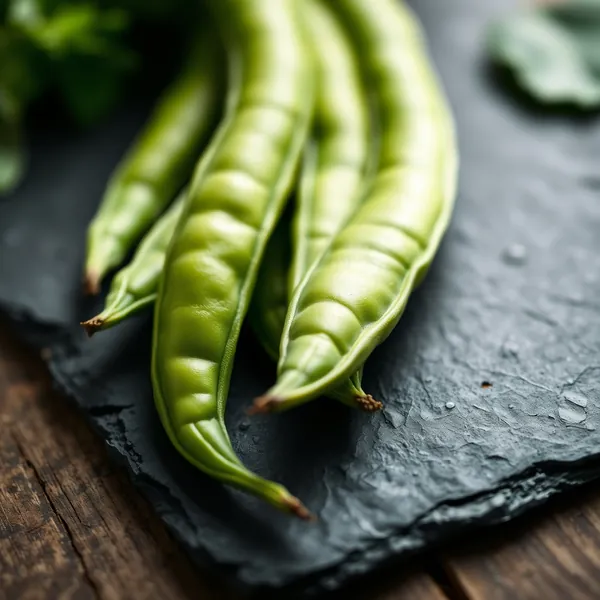
Feijão Verde
Os feijões verdes são um vegetal de baixa caloria, rico em vitaminas e minerais, especialmente vitamina C e K. Eles são conhecidos por sua textura crocante e são frequentemente usados em vários pratos culinários.
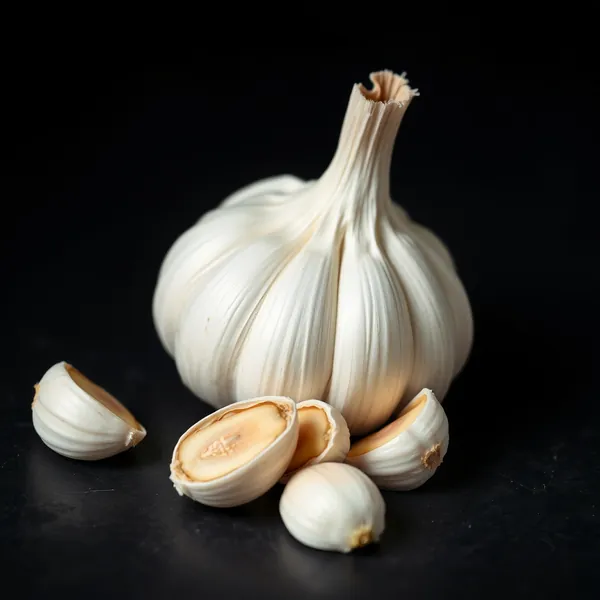
Alho
O alho é uma planta bulbosa conhecida por seu sabor forte e numerosos benefícios à saúde. É rico em compostos de enxofre, que contribuem para seu aroma distinto e propriedades terapêuticas.