
Orange
Citrus sinensisClinical Encyclopedia
Orange provides 47 kcal, 0.9g of protein, 11.8g of carbohydrates, and 2.4g of fiber per 100g. With a Nutri-Score grade 'A', it is a highly recommended option for nutrient density.
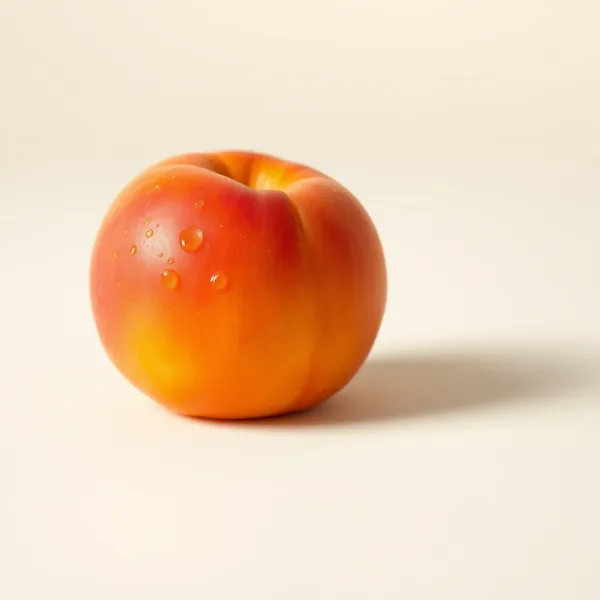
Oranges are a popular citrus fruit known for their sweet and tangy flavor, high vitamin C content, and hydrating properties. They are often consumed fresh or as juice and are rich in antioxidants.








Macronutrient Ratio
Caloric distribution of primary energy metrics per 100g
Micronutrient DV% Score
Top vitamins and minerals ranked by percentage of Daily Recommended Value
Complete Micronutrient Breakdown
Detailed concentration of essential micronutrients per 100g serving.
Vitamins
Minerals
Health Benefits
Possible Risks & Side Effects
How to Prepare & Consume
Best enjoyed fresh, peeled, or juiced. Can be added to salads or desserts for a refreshing flavor.
Smart Selection & Storage
Look for firm specimens with vibrant, uniform color and no soft spots or bruising.
Store in a cool, dry place away from direct sunlight. Refrigerate only when necessary to maximize longevity.
Myths vs Realities
Healthy Recipes
Orange and Spinach Salad
A refreshing salad combining the sweetness of oranges with the earthiness of spinach.
- 2 cups fresh spinach
- 1 orange, segmented
- 1/4 cup walnuts
- 2 tablespoons olive oil
- Salt and pepper to taste
- 1. In a large bowl, combine spinach and orange segments.
- 2. Add walnuts and drizzle with olive oil.
- 3. Season with salt and pepper, toss gently, and serve.
Frequently Asked Questions (FAQ)
What are the health benefits of oranges?
Oranges are rich in vitamin C, fiber, and antioxidants, which support immune function, digestive health, and may reduce the risk of chronic diseases.
Can I eat orange peels?
While orange peels are edible and contain nutrients, they are often bitter and may be treated with pesticides, so it's best to wash them thoroughly or consume organic oranges.