
Alexanders
Smyrnium olusatrumClinical Encyclopedia
Alexanders provides 40 kcal, 2g of protein, 8g of carbohydrates, and 3g of fiber per 100g. With a Nutri-Score grade 'A', it is a highly recommended option for nutrient density.
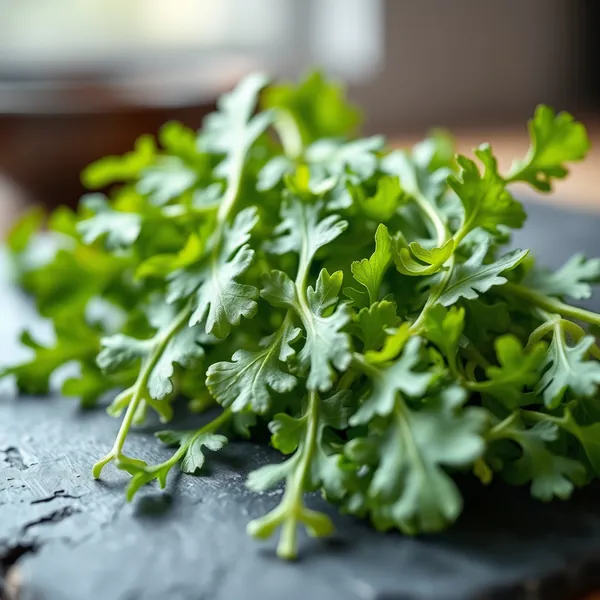
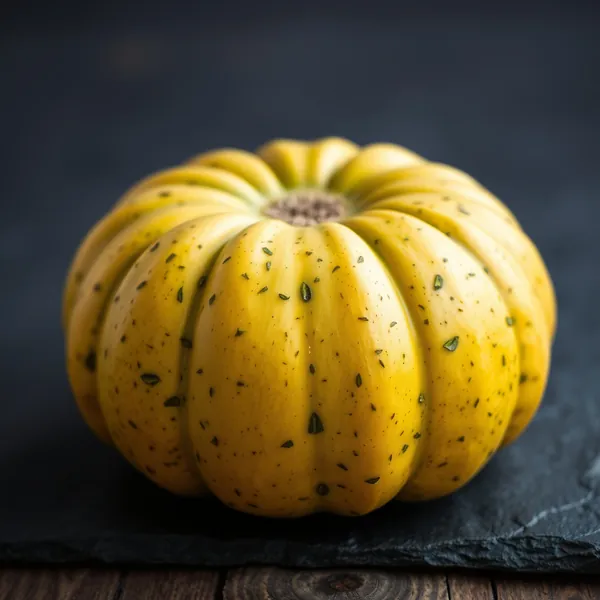
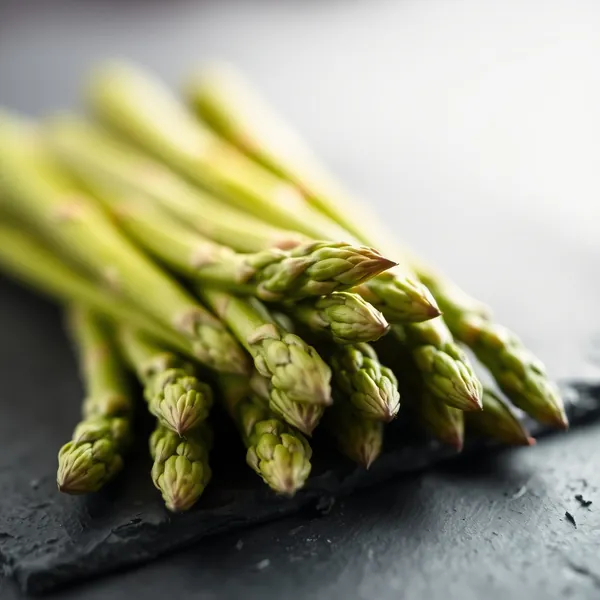
Alexanders is a perennial herb known for its culinary uses and medicinal properties. It is rich in vitamins and minerals, making it a nutritious addition to various dishes.

Macronutrient Ratio
Caloric distribution of primary energy metrics per 100g
Micronutrient DV% Score
Top vitamins and minerals ranked by percentage of Daily Recommended Value
Complete Micronutrient Breakdown
Detailed concentration of essential micronutrients per 100g serving.
Vitamins
Minerals
Health Benefits
Possible Risks & Side Effects
How to Prepare & Consume
Best consumed cooked or steamed to enhance flavor and digestibility. Can be added to soups, stews, or used as a green in salads.
Smart Selection & Storage
Choose fresh, vibrant green leaves without wilting or browning. Smaller leaves are often more tender and flavorful.
Store in a cool, dry place or refrigerate in a sealed container to maintain freshness.
Myths vs Realities
Healthy Recipes
Alexanders and Quinoa Salad
A refreshing salad combining the unique flavor of Alexanders with protein-rich quinoa and vibrant vegetables, perfect for a light lunch.
- 1 cup cooked quinoa
- 1 cup fresh Alexanders leaves, chopped
- 1/2 cup cherry tomatoes, halved
- 1/4 cup cucumber, diced
- 2 tablespoons olive oil
- 1 tablespoon lemon juice
- Salt and pepper to taste
- 1. In a large bowl, combine the cooked quinoa, Alexanders leaves, cherry tomatoes, and cucumber.
- 2. In a small bowl, whisk together the olive oil, lemon juice, salt, and pepper.
- 3. Pour the dressing over the salad and toss gently to combine. Serve chilled.
Sautéed Alexanders with Garlic and Lemon
A simple yet flavorful side dish featuring sautéed Alexanders, garlic, and a hint of lemon, ideal for complementing any main course.
- 2 cups fresh Alexanders leaves
- 2 cloves garlic, minced
- 1 tablespoon olive oil
- 1 tablespoon lemon juice
- Salt to taste
- 1. Heat olive oil in a skillet over medium heat and add minced garlic, sautéing until fragrant.
- 2. Add Alexanders leaves and sauté for 3-4 minutes until wilted.
- 3. Drizzle with lemon juice, season with salt, and serve warm.
Alexanders Pesto Pasta
A vibrant and nutritious twist on traditional pesto, using Alexanders to create a delicious sauce for whole grain pasta.
- 2 cups fresh Alexanders leaves
- 1/4 cup walnuts
- 1/4 cup grated Parmesan cheese
- 1/2 cup olive oil
- 1 clove garlic
- 8 oz whole grain pasta
- 1. Cook the whole grain pasta according to package instructions and drain.
- 2. In a food processor, combine Alexanders leaves, walnuts, Parmesan, garlic, and olive oil. Blend until smooth.
- 3. Toss the cooked pasta with the Alexanders pesto and serve immediately.
Alexanders and Chickpea Stew
A hearty and nutritious stew featuring Alexanders and chickpeas, packed with protein and fiber for a satisfying meal.
- 1 can chickpeas, drained
- 2 cups fresh Alexanders leaves, chopped
- 1 onion, diced
- 2 cloves garlic, minced
- 1 can diced tomatoes
- 1 teaspoon cumin
- 2 cups vegetable broth
- 1. In a large pot, sauté onion and garlic until translucent.
- 2. Add chickpeas, diced tomatoes, cumin, and vegetable broth. Bring to a boil.
- 3. Stir in Alexanders leaves and simmer for 10 minutes. Serve hot.
Alexanders Smoothie Bowl
A nutritious smoothie bowl featuring Alexanders, banana, and almond milk, topped with your favorite fruits and seeds for a healthy breakfast.
- 1 cup almond milk
- 1 banana
- 1 cup fresh Alexanders leaves
- 1 tablespoon chia seeds
- Toppings: sliced fruits, nuts, and seeds
- 1. Blend almond milk, banana, and Alexanders leaves until smooth.
- 2. Pour the smoothie into a bowl and top with sliced fruits, nuts, and chia seeds.
- 3. Enjoy immediately as a refreshing breakfast.
Grilled Alexanders and Vegetable Skewers
Colorful skewers featuring grilled Alexanders and seasonal vegetables, perfect for a healthy barbecue option.
- 1 cup fresh Alexanders leaves
- 1 bell pepper, cubed
- 1 zucchini, sliced
- 1 red onion, cubed
- 2 tablespoons olive oil
- Salt and pepper to taste
- 1. Preheat the grill to medium heat and soak skewers in water if using wooden ones.
- 2. Thread Alexanders leaves and vegetables onto skewers, drizzle with olive oil, and season with salt and pepper.
- 3. Grill for 10-12 minutes, turning occasionally, until vegetables are tender and slightly charred.
Alexanders and Feta Stuffed Peppers
Bell peppers stuffed with a savory mixture of Alexanders, feta cheese, and brown rice, baked to perfection for a wholesome meal.
- 4 bell peppers, halved and seeded
- 1 cup cooked brown rice
- 1 cup fresh Alexanders leaves, chopped
- 1/2 cup feta cheese, crumbled
- 1 tablespoon olive oil
- Salt and pepper to taste
- 1. Preheat the oven to 375°F (190°C).
- 2. In a bowl, mix cooked brown rice, Alexanders leaves, feta cheese, olive oil, salt, and pepper.
- 3. Stuff the bell pepper halves with the mixture and place them in a baking dish. Bake for 25-30 minutes until peppers are tender.
Alexanders and Avocado Toast
A trendy and nutritious avocado toast topped with fresh Alexanders, perfect for a quick breakfast or snack.
- 2 slices whole grain bread
- 1 ripe avocado
- 1 cup fresh Alexanders leaves, chopped
- Salt and pepper to taste
- Red pepper flakes (optional)
- 1. Toast the whole grain bread until golden brown.
- 2. Mash the avocado in a bowl and season with salt and pepper.
- 3. Spread the mashed avocado on the toast, top with Alexanders leaves, and sprinkle with red pepper flakes if desired.
Alexanders Soup with Coconut Milk
A creamy and comforting soup featuring Alexanders and coconut milk, perfect for a healthy and warming meal.
- 2 cups fresh Alexanders leaves, chopped
- 1 can coconut milk
- 1 onion, diced
- 2 cloves garlic, minced
- 2 cups vegetable broth
- Salt and pepper to taste
- 1. In a pot, sauté onion and garlic until soft.
- 2. Add vegetable broth and bring to a simmer. Stir in Alexanders leaves and cook for 5 minutes.
- 3. Blend the soup until smooth, return to heat, stir in coconut milk, and season with salt and pepper before serving.
Frequently Asked Questions (FAQ)
What are the health benefits of Alexanders?
Alexanders are rich in vitamins and minerals, particularly Vitamin C and calcium, which support immune health and bone strength.
How can I incorporate Alexanders into my diet?
You can use Alexanders in soups, salads, or as a cooked green, similar to spinach.
Are there any side effects of consuming Alexanders?
While generally safe, some individuals may experience allergic reactions if they are sensitive to related plants.
How do I store Alexanders?
Store fresh Alexanders in the refrigerator, wrapped in a damp paper towel to maintain moisture.
Can Alexanders be eaten raw?
Yes, young leaves can be eaten raw in salads, but cooking enhances their flavor.
Is Alexanders safe for pregnant women?
Pregnant women should consult with a healthcare provider before consuming Alexanders due to limited research on its safety.
What is the glycemic index of Alexanders?
The glycemic index of Alexanders is low, making it a suitable option for those managing blood sugar levels.
Where can I find Alexanders?
Alexanders can be found in specialty grocery stores, farmers' markets, or foraged in the wild during spring.