Turmeric vs Ginger Powder
We scientifically analyze the biological properties of Turmeric and Ginger Powder. Review the differences in macronutrients, vitamins, minerals, and our final nutritional verdict.
| Nutrient / Metric | Turmeric (100g) | Ginger Powder (100g) |
|---|---|---|
| Calories | 354 kcal | 335 kcal |
| Protein | 7.8g | 9g |
| Fats | 9.9g | 3.3g |
| Carbohydrates | 64.9g | 76g |
| Dietary Fiber | 22.7g | 14g |
| GIGlycemic Index | 30 | 15 |
| Water Content | 14.4% | 10% |
Nutritional Verdict
Based on nutrient-density scores (highly bioavailable proteins, soluble prebiotic fiber, and balanced glycemic metrics), Ginger Powder is programmatically rated superior for structural cellular health.
Turmeric
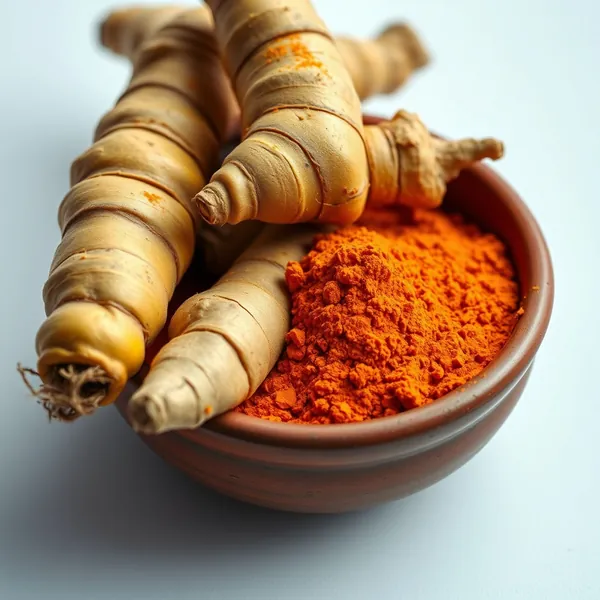
Turmeric is a vibrant yellow spice derived from the root of the Curcuma longa plant, known for its active compound curcumin, which has potent anti-inflammatory and antioxidant properties.
Ginger Powder
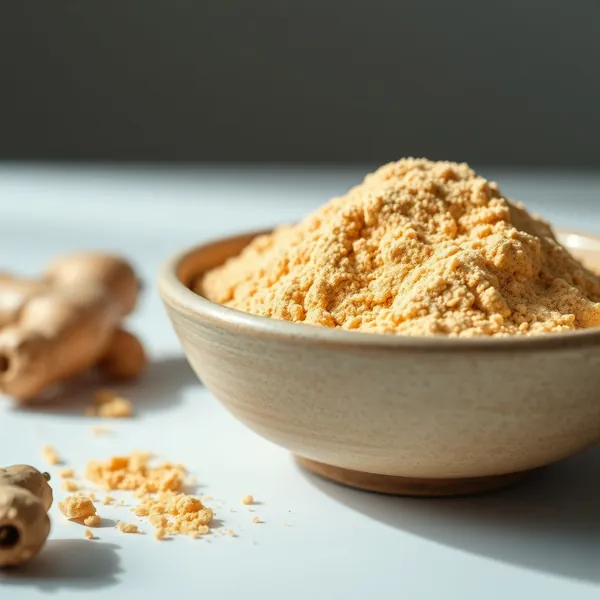
Ginger powder is a spice made from the dried root of the ginger plant, known for its strong flavor and numerous health benefits. It is rich in bioactive compounds, particularly gingerol, which contribute to its anti-inflammatory and antioxidant properties.