Direct Comparison Profile
Sliced Cassava vs Acorn Squash
We scientifically analyze the biological properties of Sliced Cassava and Acorn Squash. Review the differences in macronutrients, vitamins, minerals, and our final nutritional verdict.

| Nutrient / Metric | Sliced Cassava (100g) | Acorn Squash (100g) |
|---|---|---|
| Calories | 160 kcal | 40 kcal |
| Protein | 1.4g | 1g |
| Fats | 0.3g | 0.1g |
| Carbohydrates | 38.1g | 10g |
| Dietary Fiber | 1.8g | 2g |
| GIGlycemic Index | 46 | 75 |
| Water Content | 60% | 92% |
Nutritional Verdict
Based on nutrient-density scores (highly bioavailable proteins, soluble prebiotic fiber, and balanced glycemic metrics), Acorn Squash is programmatically rated superior for structural cellular health.
Sliced Cassava
Sliced cassava is a starchy root vegetable rich in carbohydrates, often used in various culinary applications. It provides a good source of energy and is gluten-free.
•Rich in carbohydrates, making it an excellent energy source for athletes and active individuals.
•Contains dietary fiber that aids in digestion and promotes gut health.
Acorn Squash
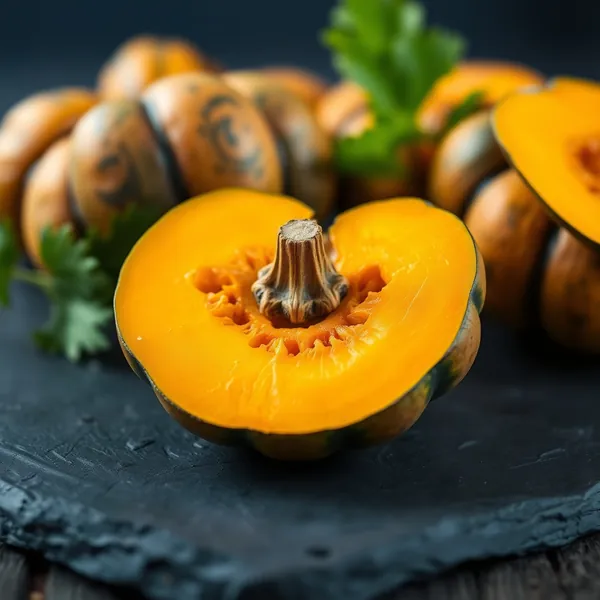
Acorn squash is a nutrient-dense winter squash with a sweet, nutty flavor and a unique acorn shape. It is rich in vitamins, minerals, and antioxidants, making it a healthy addition to various dishes.
•Rich in antioxidants, acorn squash helps combat oxidative stress and may reduce the risk of chronic diseases.
•High in dietary fiber, it supports digestive health and aids in maintaining a healthy weight.