Direct Comparison Profile
Sea Kelp vs Acorn Squash
We scientifically analyze the biological properties of Sea Kelp and Acorn Squash. Review the differences in macronutrients, vitamins, minerals, and our final nutritional verdict.
| Nutrient / Metric | Sea Kelp (100g) | Acorn Squash (100g) |
|---|---|---|
| Calories | 45 kcal | 40 kcal |
| Protein | 2.9g | 1g |
| Fats | 0.6g | 0.1g |
| Carbohydrates | 9.6g | 10g |
| Dietary Fiber | 1.5g | 2g |
| GIGlycemic Index | 15 | 75 |
| Water Content | 92% | 92% |
Nutritional Verdict
Both superfoods are highly complementary and offer balanced biological profiles for clinical dietary plans.
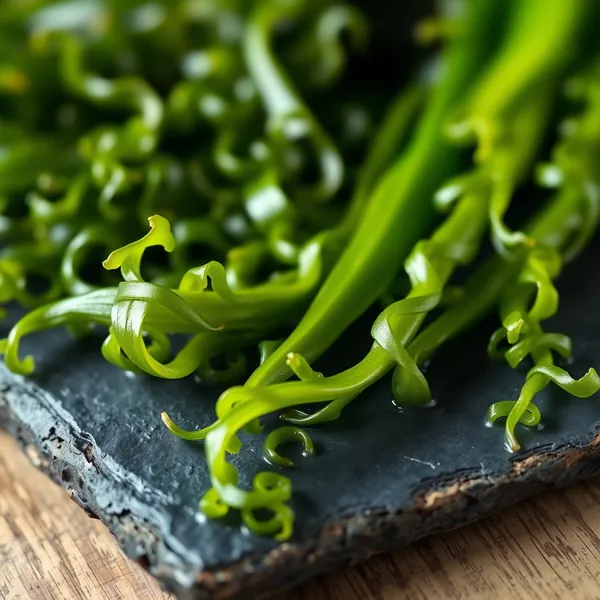
Sea Kelp
Sea kelp is a nutrient-rich marine vegetable known for its high iodine content and various health benefits. It is often used in Asian cuisine and as a dietary supplement.
•Rich in iodine, which supports thyroid function and metabolism.
•Contains antioxidants that help combat oxidative stress and inflammation.
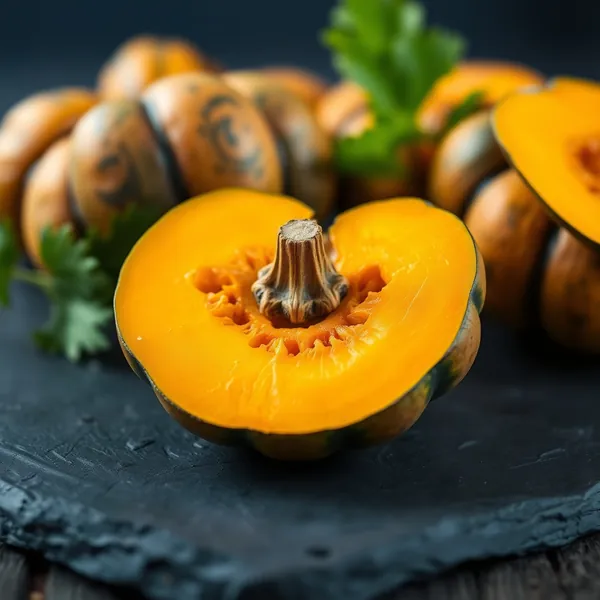
Acorn Squash
Acorn squash is a nutrient-dense winter squash with a sweet, nutty flavor and a unique acorn shape. It is rich in vitamins, minerals, and antioxidants, making it a healthy addition to various dishes.
•Rich in antioxidants, acorn squash helps combat oxidative stress and may reduce the risk of chronic diseases.
•High in dietary fiber, it supports digestive health and aids in maintaining a healthy weight.