Direct Comparison Profile
Yellow Smooth Nectarine vs Acerola
We scientifically analyze the biological properties of Yellow Smooth Nectarine and Acerola. Review the differences in macronutrients, vitamins, minerals, and our final nutritional verdict.

| Nutrient / Metric | Yellow Smooth Nectarine (100g) | Acerola (100g) |
|---|---|---|
| Calories | 44 kcal | 50 kcal |
| Protein | 0.91g | 0.5g |
| Fats | 0.14g | 0.2g |
| Carbohydrates | 10.55g | 12g |
| Dietary Fiber | 1.5g | 1g |
| GIGlycemic Index | 40 | 25 |
| Water Content | 88.5% | 90% |
Nutritional Verdict
Based on nutrient-density scores (highly bioavailable proteins, soluble prebiotic fiber, and balanced glycemic metrics), Yellow Smooth Nectarine is programmatically rated superior for structural cellular health.
Yellow Smooth Nectarine
The yellow smooth nectarine is a juicy, sweet fruit with a smooth skin, rich in vitamins and antioxidants. It is known for its refreshing taste and health benefits.
•Rich in Vitamin C, which supports the immune system and promotes skin health.
•Contains antioxidants that help combat oxidative stress and reduce inflammation.
Acerola
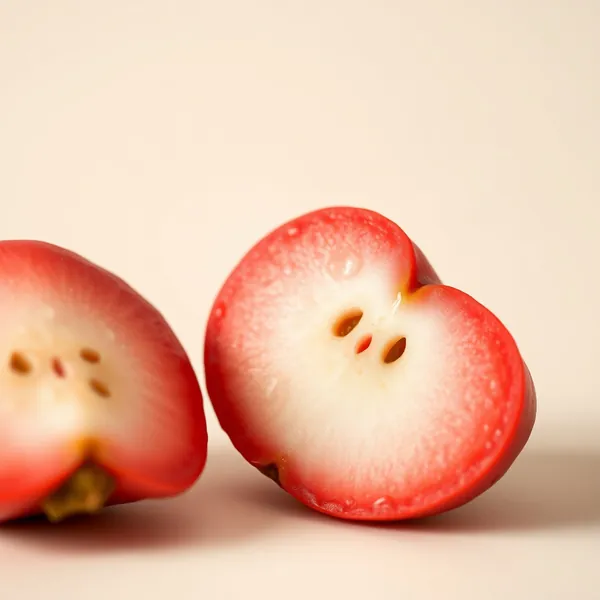
Acerola, also known as the Barbados cherry, is a small, bright red fruit rich in vitamin C and antioxidants, known for its health benefits and tart flavor.
•Acerola is one of the richest sources of vitamin C, which is essential for immune function and skin health.
•The antioxidants in acerola help combat oxidative stress, potentially reducing the risk of chronic diseases.