Organic Millet Flakes vs Amaranth Flour
We scientifically analyze the biological properties of Organic Millet Flakes and Amaranth Flour. Review the differences in macronutrients, vitamins, minerals, and our final nutritional verdict.
| Nutrient / Metric | Organic Millet Flakes (100g) | Amaranth Flour (100g) |
|---|---|---|
| Calories | 378 kcal | 371 kcal |
| Protein | 11g | 13.6g |
| Fats | 4.2g | 7g |
| Carbohydrates | 73g | 65g |
| Dietary Fiber | 8.5g | 7g |
| GIGlycemic Index | 54 | 35 |
| Water Content | 10% | 10% |
Nutritional Verdict
Based on nutrient-density scores (highly bioavailable proteins, soluble prebiotic fiber, and balanced glycemic metrics), Amaranth Flour is programmatically rated superior for structural cellular health.
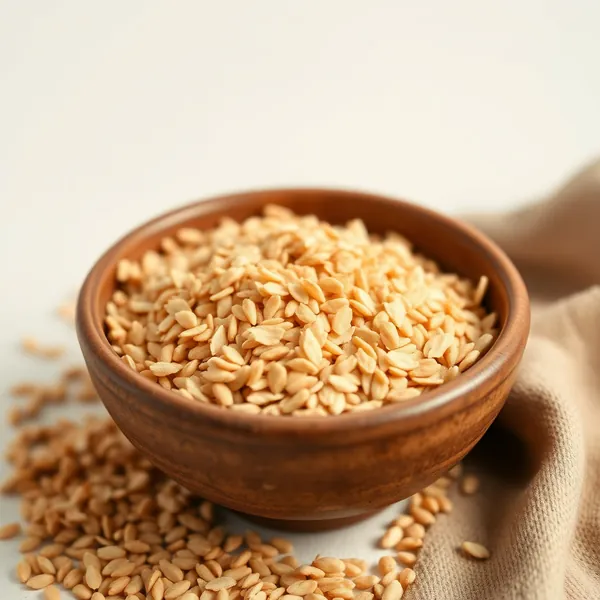
Organic Millet Flakes
Organic millet flakes are a nutritious whole grain option, rich in fiber and essential nutrients, making them an excellent choice for a healthy diet.
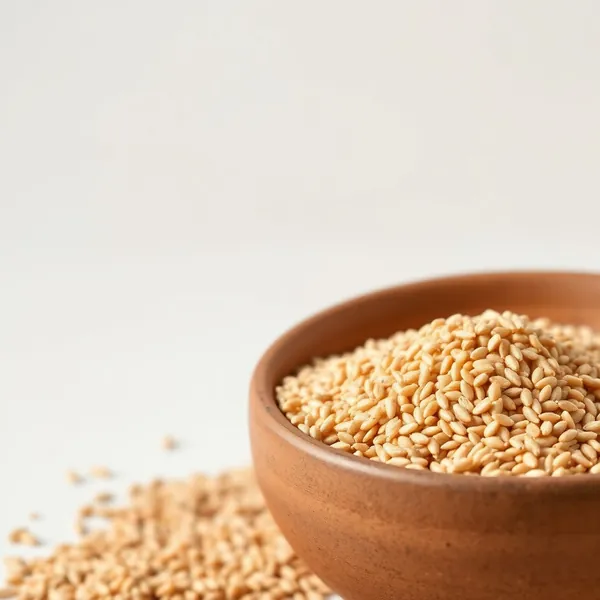
Amaranth Flour
Amaranth flour is a gluten-free flour made from the seeds of the amaranth plant, known for its high protein and nutrient content. It is rich in fiber, vitamins, and minerals, making it a nutritious alternative to traditional flours.