Mace vs Ground Cumin
We scientifically analyze the biological properties of Mace and Ground Cumin. Review the differences in macronutrients, vitamins, minerals, and our final nutritional verdict.
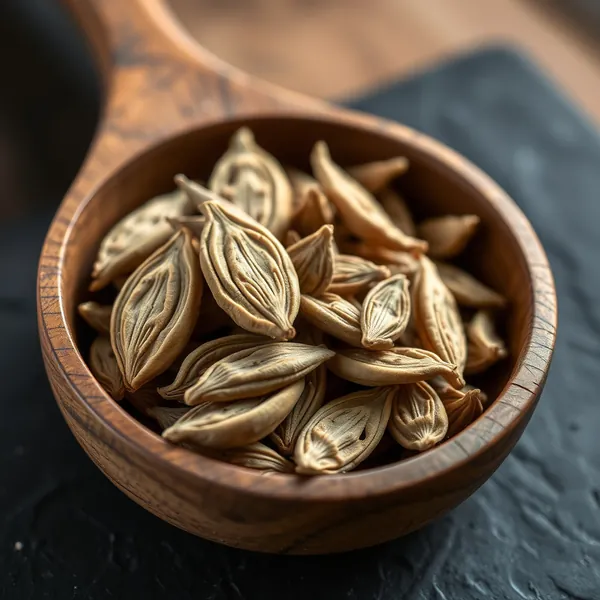

| Nutrient / Metric | Mace (100g) | Ground Cumin (100g) |
|---|---|---|
| Calories | 500 kcal | 375 kcal |
| Protein | 5.8g | 17.8g |
| Fats | 36.3g | 22.3g |
| Carbohydrates | 49.9g | 44.2g |
| Dietary Fiber | 20g | 10.5g |
| GIGlycemic Index | 0 | 30 |
| Water Content | 8% | 8.9% |
Nutritional Verdict
Based on nutrient-density scores (highly bioavailable proteins, soluble prebiotic fiber, and balanced glycemic metrics), Ground Cumin is programmatically rated superior for structural cellular health.
Mace
Mace is the dried lacy covering of the nutmeg seed, known for its warm, aromatic flavor and is used in both sweet and savory dishes. It contains essential oils and compounds that contribute to its unique taste and potential health benefits.
Ground Cumin
Ground cumin is a spice made from the seeds of the Cuminum cyminum plant, known for its warm, earthy flavor and numerous health benefits. It is rich in antioxidants and has been used in traditional medicine for its digestive and anti-inflammatory properties.