Komatsuna vs Acorn Squash
We scientifically analyze the biological properties of Komatsuna and Acorn Squash. Review the differences in macronutrients, vitamins, minerals, and our final nutritional verdict.
| Nutrient / Metric | Komatsuna (100g) | Acorn Squash (100g) |
|---|---|---|
| Calories | 27 kcal | 40 kcal |
| Protein | 2.6g | 1g |
| Fats | 0.4g | 0.1g |
| Carbohydrates | 4.2g | 10g |
| Dietary Fiber | 2g | 2g |
| GIGlycemic Index | 15 | 75 |
| Water Content | 92% | 92% |
Nutritional Verdict
Based on nutrient-density scores (highly bioavailable proteins, soluble prebiotic fiber, and balanced glycemic metrics), Komatsuna is programmatically rated superior for structural cellular health.
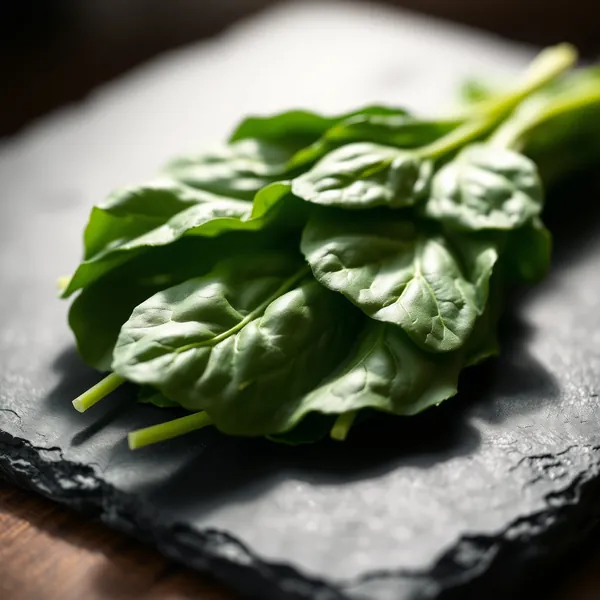
Komatsuna
Komatsuna, also known as Japanese mustard spinach, is a leafy green vegetable rich in vitamins and minerals, particularly Vitamin K and C. It is known for its mild flavor and versatility in various dishes.
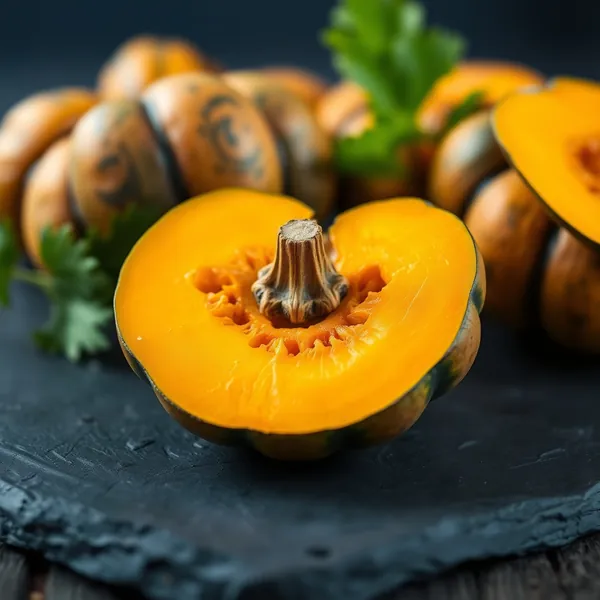
Acorn Squash
Acorn squash is a nutrient-dense winter squash with a sweet, nutty flavor and a unique acorn shape. It is rich in vitamins, minerals, and antioxidants, making it a healthy addition to various dishes.