Direct Comparison Profile
Hazelnuts vs Cashews
We scientifically analyze the biological properties of Hazelnuts and Cashews. Review the differences in macronutrients, vitamins, minerals, and our final nutritional verdict.
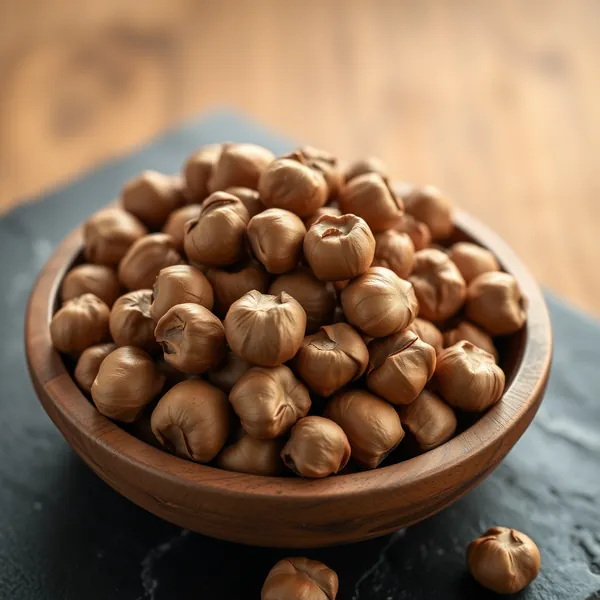
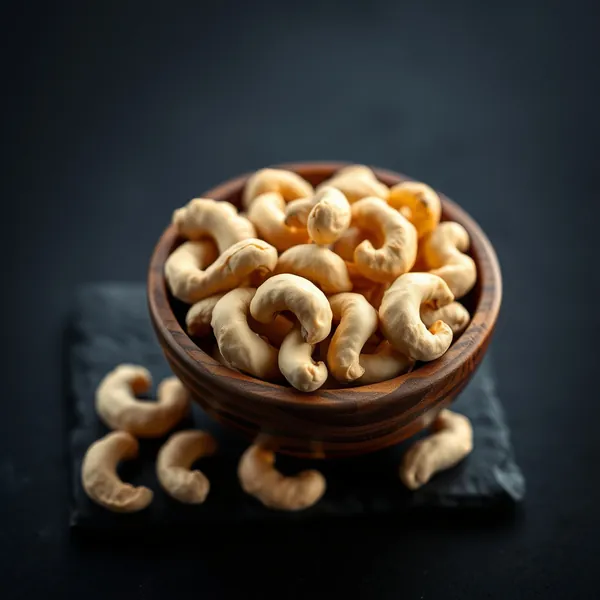
| Nutrient / Metric | Hazelnuts (100g) | Cashews (100g) |
|---|---|---|
| Calories | 628 kcal | 553 kcal |
| Protein | 14.1g | 18.2g |
| Fats | 60.8g | 43.9g |
| Carbohydrates | 16.7g | 30.2g |
| Dietary Fiber | 9.7g | 3.3g |
| GIGlycemic Index | 15 | 22 |
| Water Content | 5.3% | 5.2% |
Nutritional Verdict
Based on nutrient-density scores (highly bioavailable proteins, soluble prebiotic fiber, and balanced glycemic metrics), Hazelnuts is programmatically rated superior for structural cellular health.
Hazelnuts
Hazelnuts are nutrient-dense seeds known for their rich flavor and health benefits, including heart health support and antioxidant properties.
•Rich in healthy fats, particularly monounsaturated fats, which can help lower bad cholesterol levels and reduce the risk of heart disease.
•High in antioxidants, including vitamin E, which can protect cells from oxidative stress and inflammation.
Cashews
Cashews are nutrient-dense nuts known for their creamy texture and rich flavor. They are a good source of healthy fats, protein, and essential minerals.
•Rich in healthy monounsaturated fats, which can help reduce bad cholesterol levels and lower the risk of heart disease.
•High in magnesium, which is vital for bone health, energy production, and muscle function.