Direct Comparison Profile
Cabrito vs Abalone
We scientifically analyze the biological properties of Cabrito and Abalone. Review the differences in macronutrients, vitamins, minerals, and our final nutritional verdict.
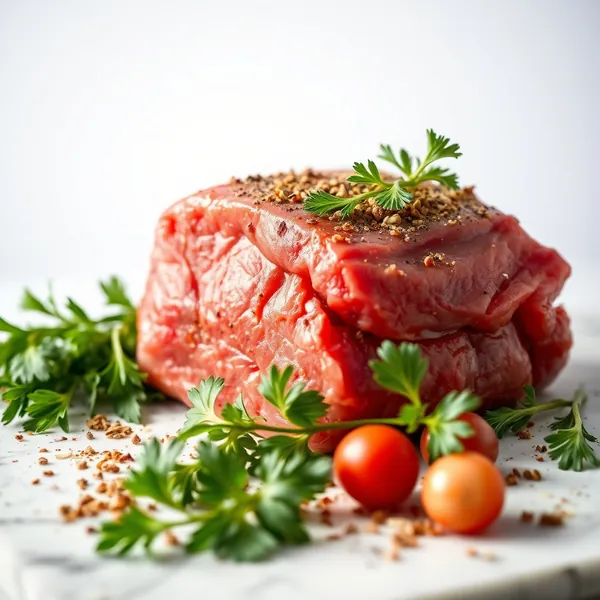
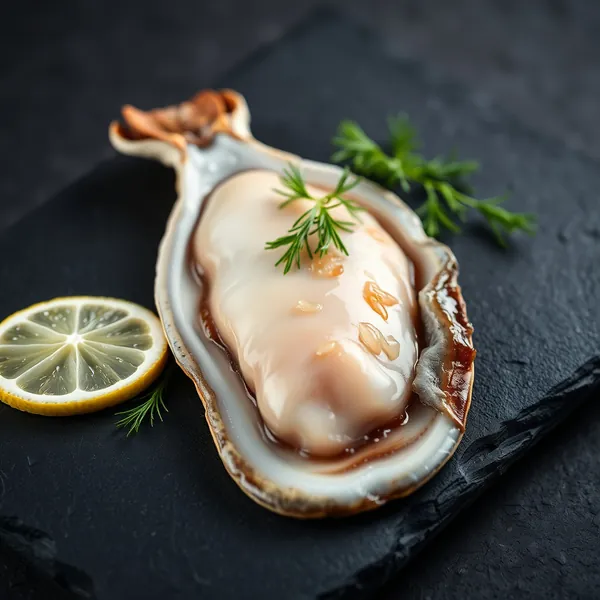
| Nutrient / Metric | Cabrito (100g) | Abalone (100g) |
|---|---|---|
| Calories | 122 kcal | 70 kcal |
| Protein | 25g | 12g |
| Fats | 2.5g | 1g |
| Carbohydrates | 0g | 1g |
| Dietary Fiber | 0g | 0g |
| GIGlycemic Index | 0 | 0 |
| Water Content | 75% | 80% |
Nutritional Verdict
Both superfoods are highly complementary and offer balanced biological profiles for clinical dietary plans.
Cabrito
Cabrito, or goat meat, is a lean source of protein that is rich in essential nutrients and has a unique flavor profile. It is particularly popular in various cuisines around the world, especially in Latin America and the Mediterranean.
•High in protein, cabrito supports muscle growth and repair, making it an excellent choice for athletes and those looking to increase their protein intake.
•Rich in essential vitamins and minerals, including B vitamins and zinc, which are crucial for energy metabolism and immune function.
Abalone
Abalone is a marine mollusk known for its tender meat and rich flavor, often considered a delicacy in various cuisines. It is high in protein and low in fat, making it a nutritious seafood choice.
•Rich in protein, abalone supports muscle growth and repair, making it an excellent choice for athletes and those looking to maintain a healthy diet.
•Contains essential vitamins and minerals, including Vitamin B12 and selenium, which are crucial for energy metabolism and immune function.