Direct Comparison Profile
Fresh Cassava vs Pignut
We scientifically analyze the biological properties of Fresh Cassava and Pignut. Review the differences in macronutrients, vitamins, minerals, and our final nutritional verdict.

| Nutrient / Metric | Fresh Cassava (100g) | Pignut (100g) |
|---|---|---|
| Calories | 160 kcal | 120 kcal |
| Protein | 1.4g | 2.5g |
| Fats | 0.3g | 0.3g |
| Carbohydrates | 38.1g | 27g |
| Dietary Fiber | 1.8g | 5g |
| GIGlycemic Index | 46 | 50 |
| Water Content | 60% | 78% |
Nutritional Verdict
Based on nutrient-density scores (highly bioavailable proteins, soluble prebiotic fiber, and balanced glycemic metrics), Pignut is programmatically rated superior for structural cellular health.
Fresh Cassava
Fresh cassava, also known as manioc, is a starchy root vegetable rich in carbohydrates and a staple food in many tropical regions. It is versatile in cooking and provides essential nutrients.
•Rich in carbohydrates, providing a quick source of energy for active individuals.
•Contains dietary fiber which aids in digestion and promotes gut health.
Pignut
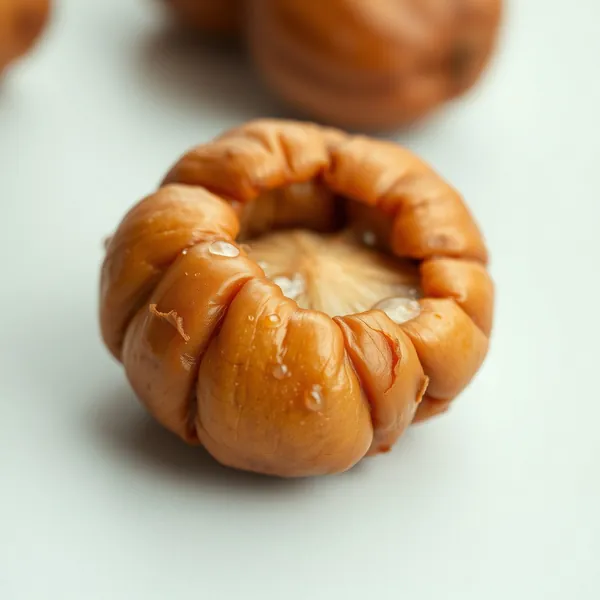
Pignut is a wild edible root known for its nutty flavor and high carbohydrate content, often found in woodland areas. It is a source of dietary fiber and essential minerals.
•Rich in dietary fiber, pignut aids in digestive health and promotes regular bowel movements.
•Contains essential minerals like potassium, which supports heart health and regulates blood pressure.