Duck Liver (Foie Gras) vs Alligator Tail
We scientifically analyze the biological properties of Duck Liver (Foie Gras) and Alligator Tail. Review the differences in macronutrients, vitamins, minerals, and our final nutritional verdict.
| Nutrient / Metric | Duck Liver (Foie Gras) (100g) | Alligator Tail (100g) |
|---|---|---|
| Calories | 462 kcal | 143 kcal |
| Protein | 19g | 30g |
| Fats | 40g | 3g |
| Carbohydrates | 0g | 0g |
| Dietary Fiber | 0g | 0g |
| GIGlycemic Index | 0 | 0 |
| Water Content | 50% | 75% |
Nutritional Verdict
Based on nutrient-density scores (highly bioavailable proteins, soluble prebiotic fiber, and balanced glycemic metrics), Alligator Tail is programmatically rated superior for structural cellular health.
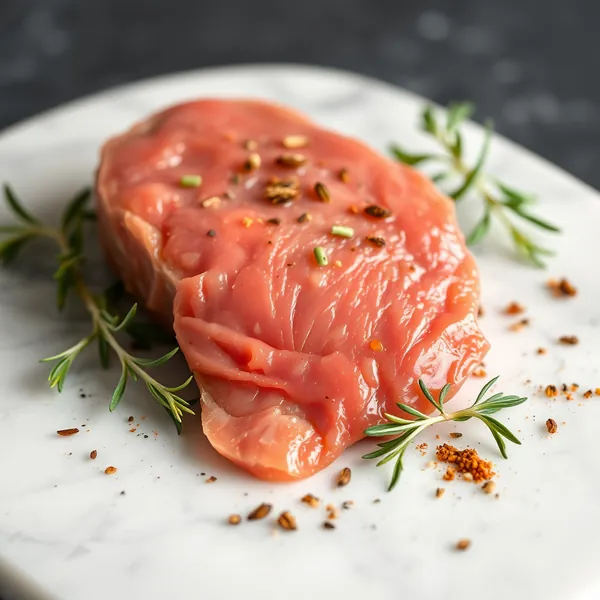
Duck Liver (Foie Gras)
Foie gras is a luxurious delicacy made from the liver of a duck or goose that has been specially fattened. It is rich in flavor and nutrients, making it a sought-after ingredient in gourmet cuisine.
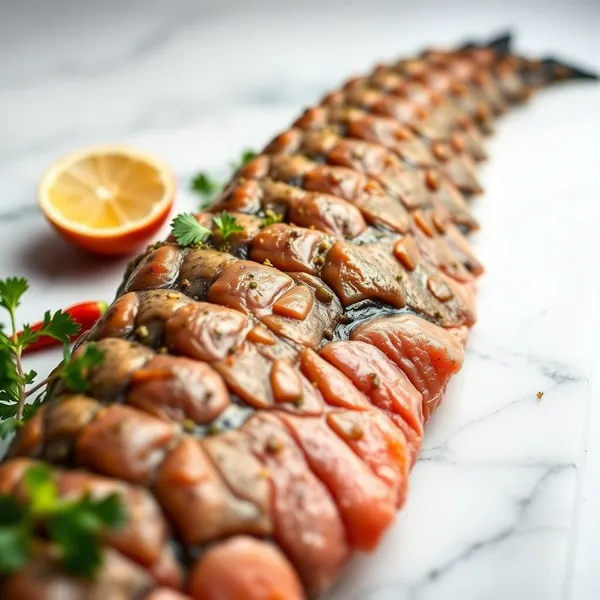
Alligator Tail
Alligator tail is a lean source of protein that is low in fat and rich in essential nutrients, making it a unique addition to various culinary dishes. It has a mild flavor and a texture similar to chicken or fish.