Direct Comparison Profile
Dried Blueberry vs American Black Elderberry
We scientifically analyze the biological properties of Dried Blueberry and American Black Elderberry. Review the differences in macronutrients, vitamins, minerals, and our final nutritional verdict.

| Nutrient / Metric | Dried Blueberry (100g) | American Black Elderberry (100g) |
|---|---|---|
| Calories | 325 kcal | 73 kcal |
| Protein | 2g | 0.66g |
| Fats | 0.5g | 0.5g |
| Carbohydrates | 84g | 18.4g |
| Dietary Fiber | 7g | 7g |
| GIGlycemic Index | 50 | 50 |
| Water Content | 15% | 81% |
Nutritional Verdict
Both superfoods are highly complementary and offer balanced biological profiles for clinical dietary plans.
Dried Blueberry
Dried blueberries are nutrient-dense fruits that provide a concentrated source of antioxidants, vitamins, and minerals. They are often used in snacks, cereals, and baked goods.
•Rich in antioxidants, dried blueberries help combat oxidative stress and may reduce the risk of chronic diseases.
•High fiber content aids in digestion and promotes gut health, potentially lowering cholesterol levels.
American Black Elderberry
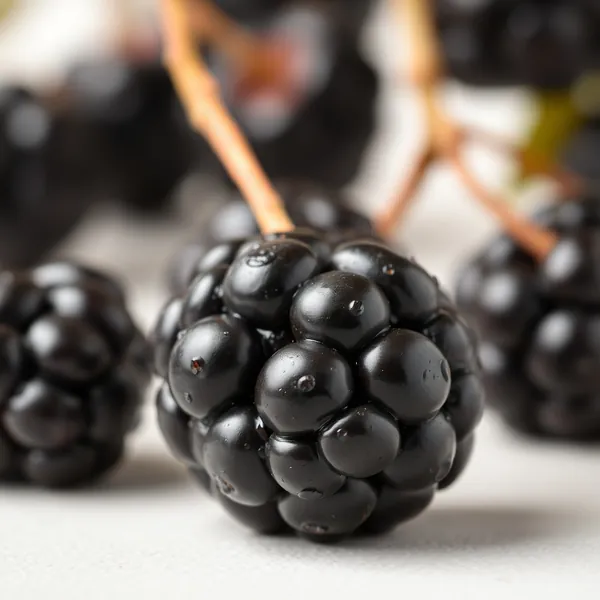
American Black Elderberry is a nutrient-rich fruit known for its high antioxidant content and potential immune-boosting properties. It is commonly used in syrups and supplements for its health benefits.
•Rich in antioxidants, particularly flavonoids, which help combat oxidative stress and may reduce the risk of chronic diseases.
•Supports immune function, with studies suggesting that elderberry extracts can reduce the duration and severity of cold and flu symptoms.