Direct Comparison Profile
Club Wheat vs Amaranth Flour
We scientifically analyze the biological properties of Club Wheat and Amaranth Flour. Review the differences in macronutrients, vitamins, minerals, and our final nutritional verdict.
| Nutrient / Metric | Club Wheat (100g) | Amaranth Flour (100g) |
|---|---|---|
| Calories | 340 kcal | 371 kcal |
| Protein | 13.2g | 13.6g |
| Fats | 2.5g | 7g |
| Carbohydrates | 72g | 65g |
| Dietary Fiber | 12.2g | 7g |
| GIGlycemic Index | 45 | 35 |
| Water Content | 10% | 10% |
Nutritional Verdict
Both superfoods are highly complementary and offer balanced biological profiles for clinical dietary plans.
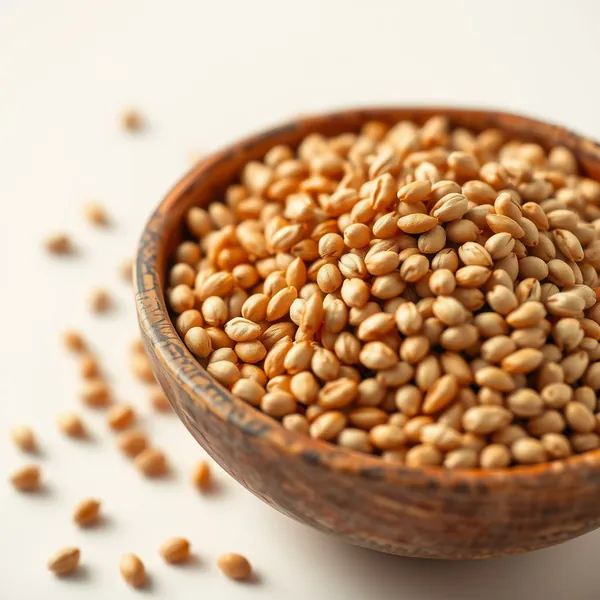
Club Wheat
Club wheat is a soft wheat variety known for its high protein content and suitability for making high-quality flour. It is primarily used in baking and is valued for its excellent gluten properties.
•Rich in dietary fiber, club wheat aids in digestion and helps maintain a healthy gut.
•High protein content supports muscle repair and growth, making it beneficial for athletes and active individuals.
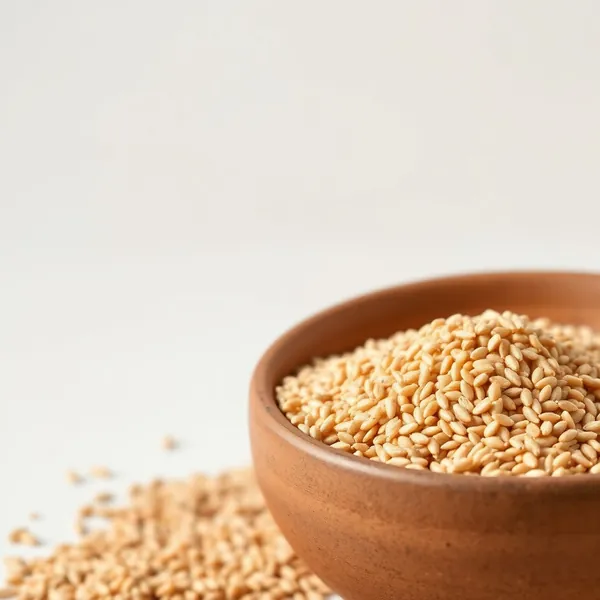
Amaranth Flour
Amaranth flour is a gluten-free flour made from the seeds of the amaranth plant, known for its high protein and nutrient content. It is rich in fiber, vitamins, and minerals, making it a nutritious alternative to traditional flours.
•Amaranth flour is an excellent source of complete protein, containing all nine essential amino acids, which is particularly beneficial for vegetarians and vegans.
•It is high in fiber, which aids in digestion and helps maintain a healthy gut microbiome.