Macadamianüsse vs Cashew-Nuss
We scientifically analyze the biological properties of Macadamianüsse and Cashew-Nuss. Review the differences in macronutrients, vitamins, minerals, and our final nutritional verdict.
| Nährstoff / Metrik | Macadamianüsse (100g) | Cashew-Nuss (100g) |
|---|---|---|
| Kalorien | 718 kcal | 553 kcal |
| Eiweiß / Protein | 7.9g | 18.2g |
| Fette | 75.8g | 43.9g |
| Kohlenhydrate | 13.8g | 30.2g |
| Ballaststoffe | 8.6g | 3.3g |
| GIGlykämischer Index | 10 | 22 |
| Wassergehalt | 1.5% | 5.2% |
Nährwert-Urteil
Based on nutrient-density scores (highly bioavailable proteins, soluble prebiotic fiber, and balanced glycemic metrics), Cashew-Nuss is programmatically rated superior for structural cellular health.
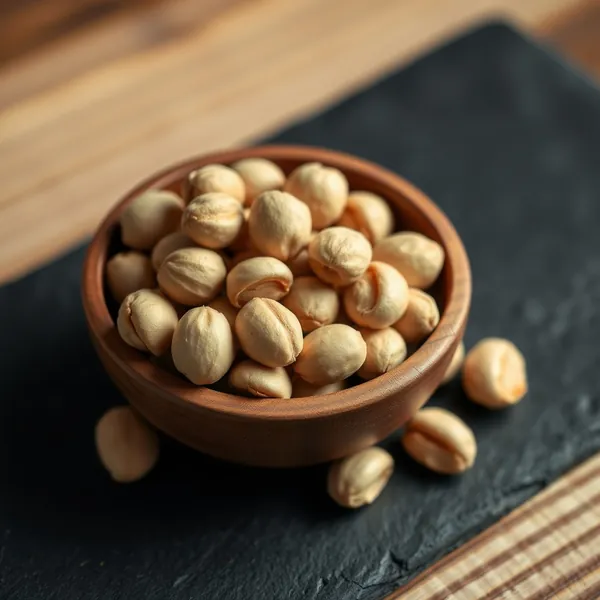
Macadamianüsse
Macadamianüsse sind reich an gesunden Fetten, insbesondere einfach ungesättigten Fetten, und bieten eine cremige Textur und einen reichen Geschmack. Sie sind auch eine gute Quelle für Vitamine und Mineralien, was sie zu einem nahrhaften Snack macht.
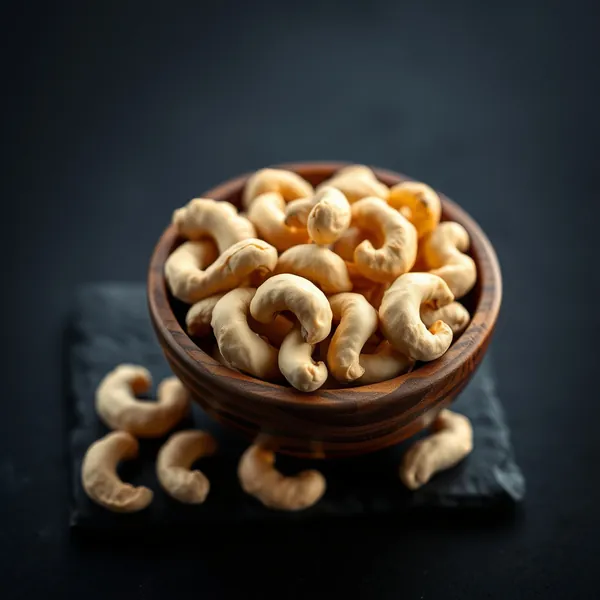
Cashew-Nuss
Cashew-Nüsse sind nährstoffreiche Nüsse, die für ihre cremige Textur und ihren reichen Geschmack bekannt sind. Sie sind eine gute Quelle für gesunde Fette, Proteine und essentielle Mineralien.