Lila Reis vs Amaranthmehl
We scientifically analyze the biological properties of Lila Reis and Amaranthmehl. Review the differences in macronutrients, vitamins, minerals, and our final nutritional verdict.
| Nährstoff / Metrik | Lila Reis (100g) | Amaranthmehl (100g) |
|---|---|---|
| Kalorien | 360 kcal | 371 kcal |
| Eiweiß / Protein | 8.5g | 13.6g |
| Fette | 2.5g | 7g |
| Kohlenhydrate | 76g | 65g |
| Ballaststoffe | 3.5g | 7g |
| GIGlykämischer Index | 55 | 35 |
| Wassergehalt | 12% | 10% |
Nährwert-Urteil
Based on nutrient-density scores (highly bioavailable proteins, soluble prebiotic fiber, and balanced glycemic metrics), Amaranthmehl is programmatically rated superior for structural cellular health.
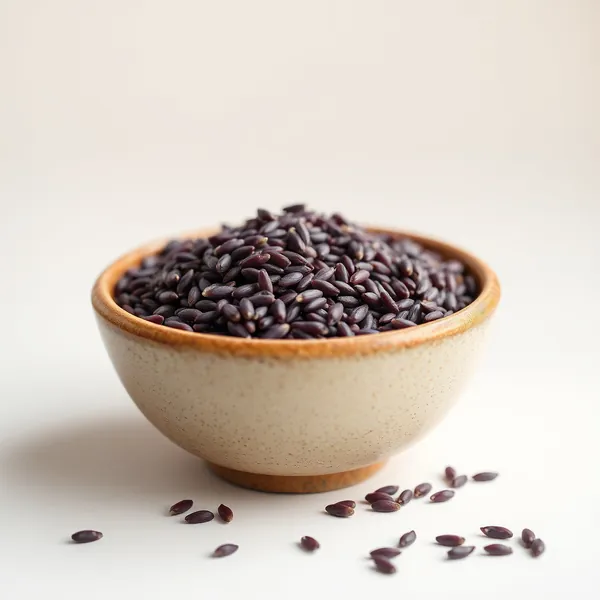
Lila Reis
Lila Reis, auch bekannt als schwarzer Reis, ist ein Vollkornreis, der reich an Antioxidantien ist und einen einzigartigen nussigen Geschmack hat. Er wird häufig in der asiatischen Küche verwendet und ist für seine gesundheitlichen Vorteile bekannt.
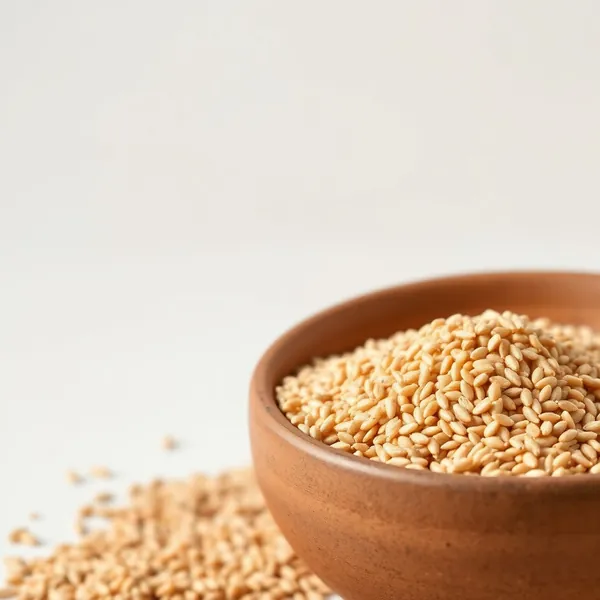
Amaranthmehl
Amaranthmehl ist ein glutenfreies Mehl, das aus den Samen der Amaranth-Pflanze hergestellt wird, die für ihren hohen Gehalt an Proteinen und Nährstoffen bekannt ist. Es ist reich an Ballaststoffen, Vitaminen und Mineralstoffen und stellt eine nahrhafte Alternative zu herkömmlichen Mehlen dar.