Blaue Spirulina vs Acerola Pulver
We scientifically analyze the biological properties of Blaue Spirulina and Acerola Pulver. Review the differences in macronutrients, vitamins, minerals, and our final nutritional verdict.
| Nährstoff / Metrik | Blaue Spirulina (100g) | Acerola Pulver (100g) |
|---|---|---|
| Kalorien | 290 kcal | 250 kcal |
| Eiweiß / Protein | 57.5g | 5g |
| Fette | 7.7g | 1g |
| Kohlenhydrate | 24.5g | 60g |
| Ballaststoffe | 3.6g | 20g |
| GIGlykämischer Index | 0 | 25 |
| Wassergehalt | 5% | 5% |
Nährwert-Urteil
Both superfoods are highly complementary and offer balanced biological profiles for clinical dietary plans.
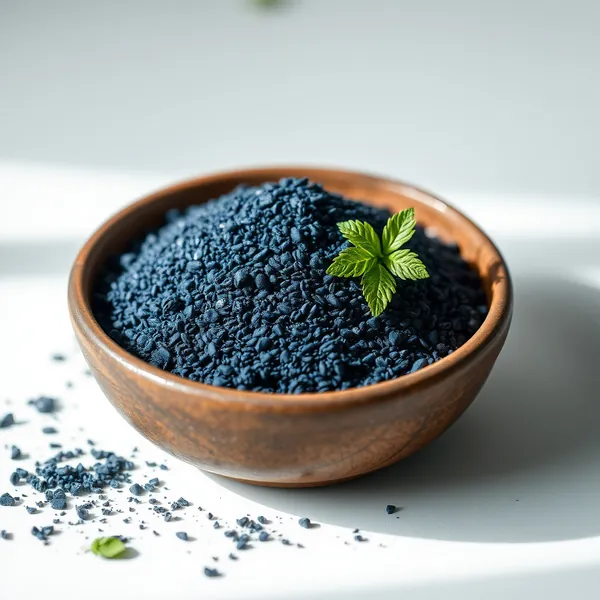
Blaue Spirulina
Blaue Spirulina ist eine nährstoffreiche Cyanobakterie, die für ihre lebendige blaue Farbe und ihren hohen Proteingehalt bekannt ist. Sie ist reich an Antioxidantien, Vitaminen und Mineralien und wird häufig als Nahrungsergänzungsmittel zur Verbesserung der allgemeinen Gesundheit verwendet.
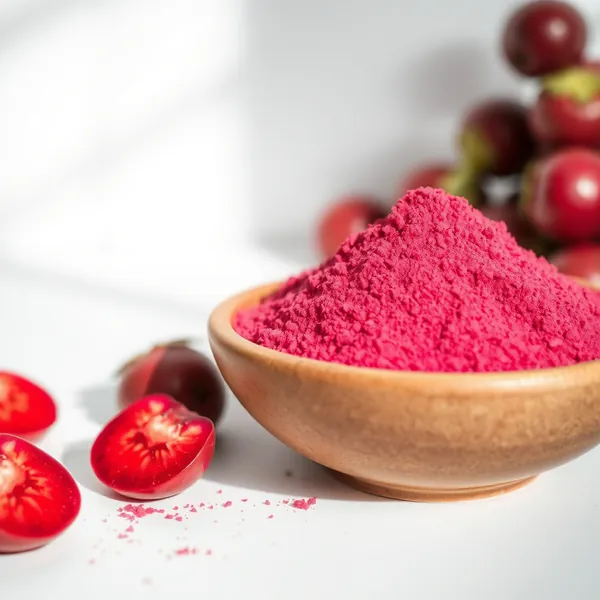
Acerola Pulver
Acerola Pulver wird aus der Frucht des Malpighia emarginata Baumes gewonnen, der für seinen außergewöhnlich hohen Vitamin C Gehalt und seine antioxidativen Eigenschaften bekannt ist. Es wird häufig als Nahrungsergänzungsmittel verwendet, um die Immunfunktion und die allgemeine Gesundheit zu fördern.