Trockenfleisch vs Krokodilschwanz
We scientifically analyze the biological properties of Trockenfleisch and Krokodilschwanz. Review the differences in macronutrients, vitamins, minerals, and our final nutritional verdict.
| Nährstoff / Metrik | Trockenfleisch (100g) | Krokodilschwanz (100g) |
|---|---|---|
| Kalorien | 410 kcal | 143 kcal |
| Eiweiß / Protein | 33g | 28g |
| Fette | 29g | 3g |
| Kohlenhydrate | 3g | 0g |
| Ballaststoffe | 0g | 0g |
| GIGlykämischer Index | 0 | 0 |
| Wassergehalt | 20% | 75% |
Nährwert-Urteil
Both superfoods are highly complementary and offer balanced biological profiles for clinical dietary plans.
Trockenfleisch
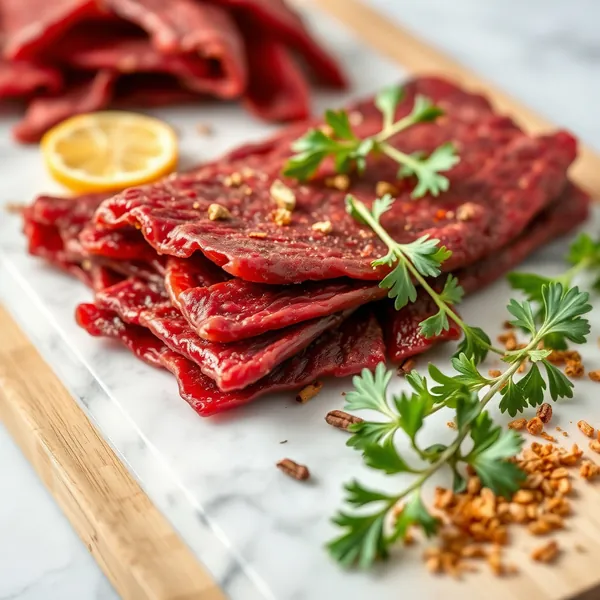
Trockenfleisch ist ein proteinreicher, kohlenhydratarmer Snack, der aus mageren Rindfleischstücken hergestellt wird, die mariniert, getrocknet und gewürzt werden. Es ist eine praktische Proteinquelle und kann Teil einer ausgewogenen Ernährung sein, wenn es in Maßen konsumiert wird.
Krokodilschwanz
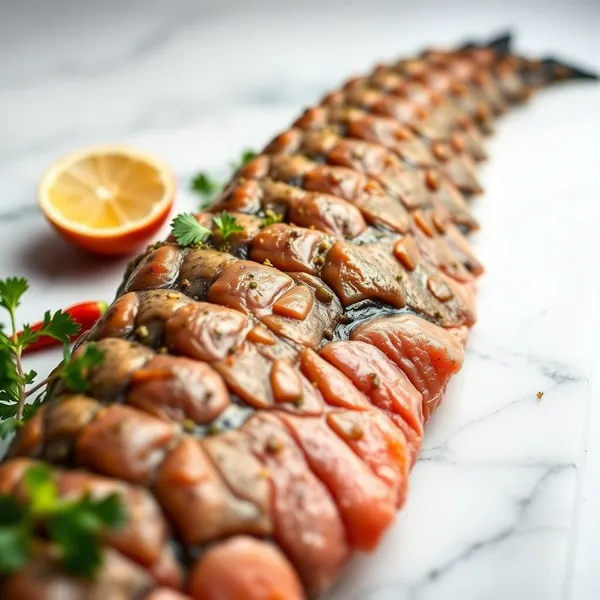
Der Krokodilschwanz ist ein mageres Fleisch, das reich an Proteinen und arm an Fetten ist, was ihn zu einer einzigartigen und nahrhaften Option für Fleischliebhaber macht. Er hat einen milden Geschmack und eine feste Textur, die oft mit Huhn oder Fisch verglichen wird.