
Amaranth
Amaranthus spp.Wissenschaftliches Nährwertdatenblatt
Amaranth liefert 371 kcal, 13.6g Protein, 65g Kohlenhydrate und 6.7g Ballaststoffe pro 100g. Mit der Nutri-Score-Klasse 'A' ist es eine ideale Wahl.
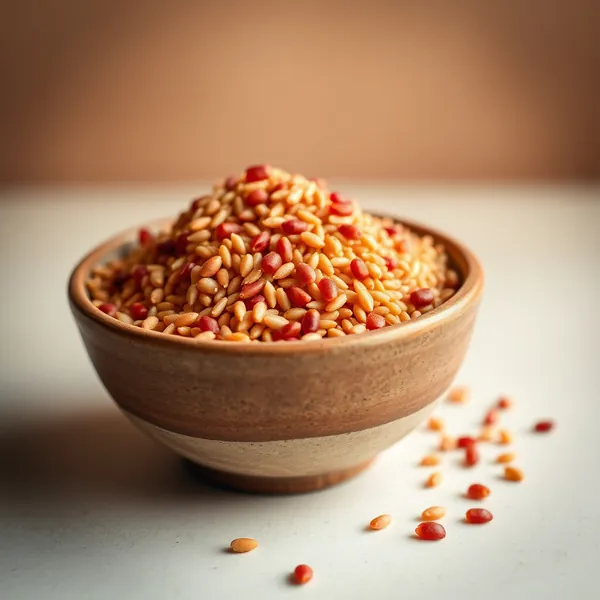
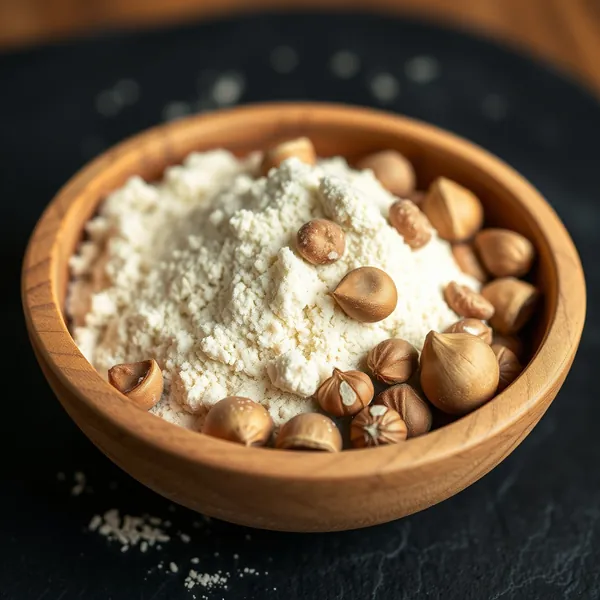
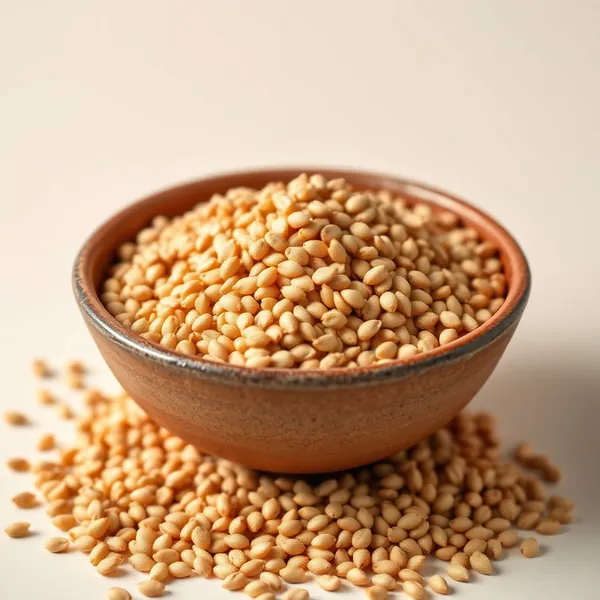
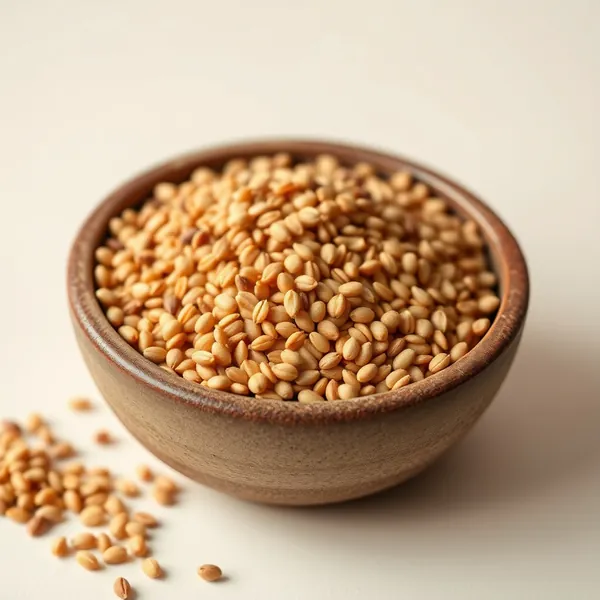
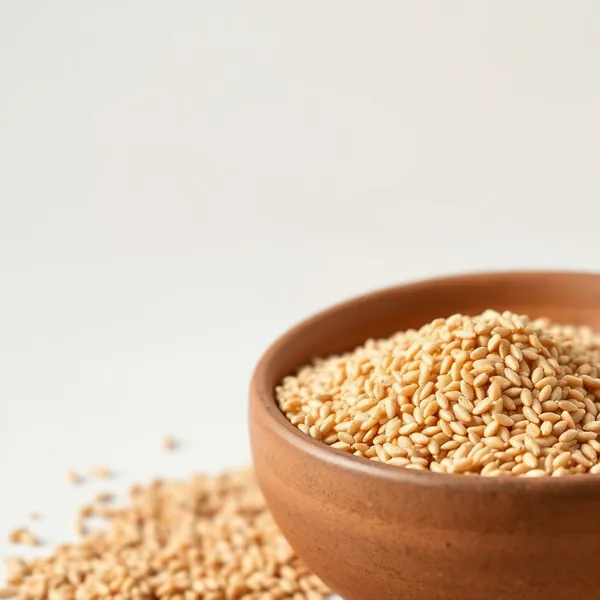
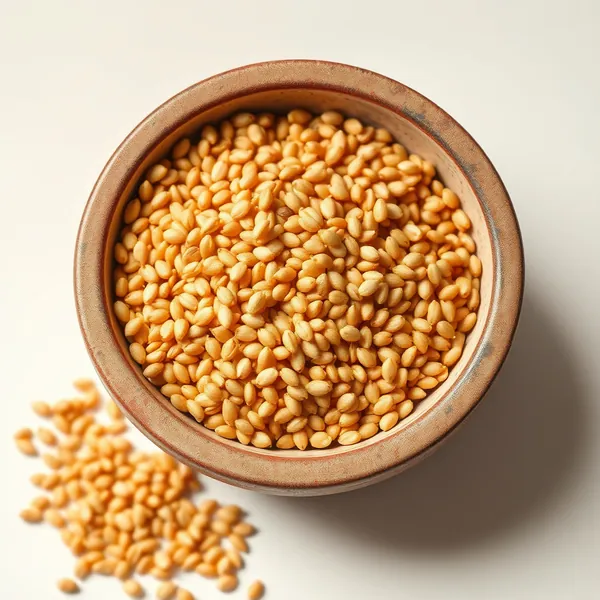
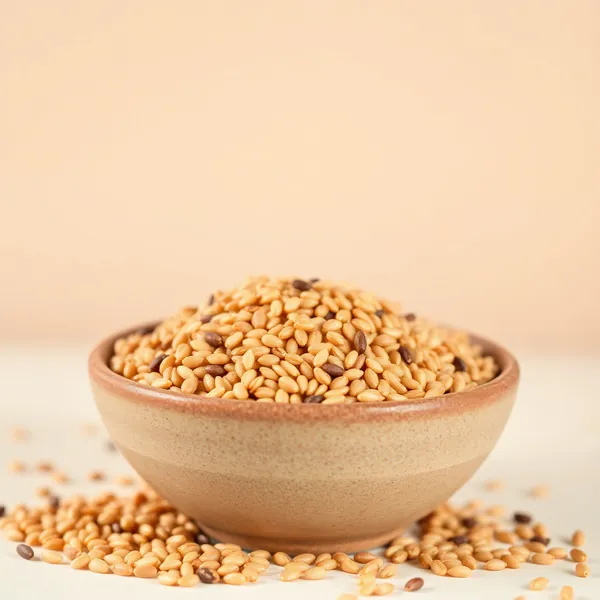
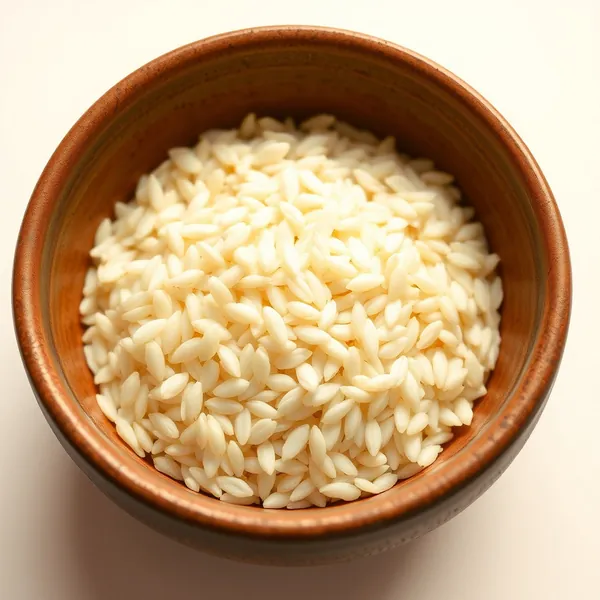
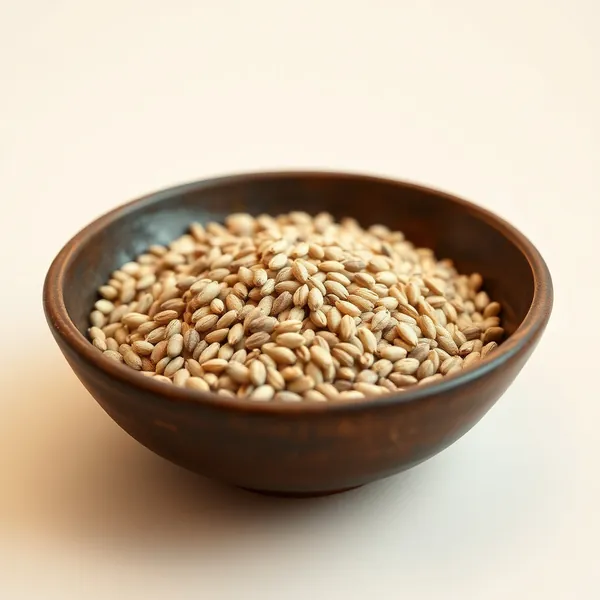
Amaranth ist ein hochnährstoffreiches Getreide, das für seinen hohen Proteingehalt und seine reiche Vielfalt an Vitaminen und Mineralstoffen bekannt ist. Es ist glutenfrei und bietet eine Vielzahl von gesundheitlichen Vorteilen, was es zu einer beliebten Wahl unter gesundheitsbewussten Menschen macht.
Makronährstoff-Verhältnis
Kalorienverteilung der primären Energiewerte pro 100g
Mikronährstoff-Dichte (TB%)
Vitamine und Mineralstoffe geordnet nach Prozentsatz des empfohlenen Tagesbedarfs
Vollständige Mikronährstoffaufteilung
Detailed concentration of essential micronutrients per 100g serving.
Vitamins
Minerals
Gesundheitliche Vorteile
Mögliche Risiken & Nebenwirkungen
Zubereitung & Verzehr
Amaranth kann wie Reis oder Quinoa gekocht, gekocht oder zum Backen verwendet werden. Es ist am besten, es vor dem Kochen abzuspülen, um bittere Saponine zu entfernen.
Einkaufs- & Lagerungsratgeber
Wählen Sie Amaranth-Samen, die ganz, unbeschädigt und frei von Anzeichen von Feuchtigkeit oder Schädlingen sind. Suchen Sie nach biologischen Optionen, wenn möglich.
Lagern Sie Amaranth in einem luftdichten Behälter an einem kühlen, dunklen Ort, um die Frische zu erhalten. Er kann auch im Kühlschrank aufbewahrt werden, um die Haltbarkeit zu verlängern.
Mythen vs Realität
Gesunde Rezepte
Amaranth-Salat mit Avocado und Kirschtomaten
Ein erfrischender Salat, der Amaranth mit cremiger Avocado und süßen Kirschtomaten kombiniert. Perfekt für ein leichtes Mittagessen.
- 100g Amaranth
- 1 Avocado
- 200g Kirschtomaten
- 1 Limette
- 2 EL Olivenöl
- Salz und Pfeffer nach Geschmack
- 1. Amaranth nach Packungsanweisung kochen und abkühlen lassen.
- 2. Avocado und Kirschtomaten würfeln und in eine Schüssel geben.
- 3. Gekochten Amaranth hinzufügen, mit Limettensaft, Olivenöl, Salz und Pfeffer abschmecken und gut vermengen.
Amaranth-Porridge mit Beeren
Ein nahrhaftes Frühstücks-Porridge aus Amaranth, das mit frischen Beeren und Nüssen serviert wird. Ideal für einen energiereichen Start in den Tag.
- 100g Amaranth
- 400ml Mandelmilch
- 100g gemischte Beeren
- 1 EL Honig
- 30g gehackte Nüsse
- 1. Amaranth in Mandelmilch kochen, bis er weich ist.
- 2. In einer Schüssel anrichten und mit Beeren, Honig und Nüssen garnieren.
- 3. Warm servieren und genießen.
Amaranth-Gemüse-Bowl
Eine bunte Bowl mit Amaranth und saisonalem Gemüse, die sowohl sättigend als auch gesund ist. Perfekt für ein leichtes Abendessen.
- 100g Amaranth
- 1 Zucchini
- 1 Paprika
- 100g Brokkoli
- 2 EL Sojasauce
- 1 EL Sesamöl
- 1. Amaranth nach Packungsanweisung kochen.
- 2. Gemüse in Stücke schneiden und in einer Pfanne mit Sesamöl anbraten.
- 3. Gekochten Amaranth und Sojasauce hinzufügen, gut vermengen und warm servieren.
Amaranth-Burger mit schwarzen Bohnen
Gesunde Burger aus Amaranth und schwarzen Bohnen, die mit frischem Gemüse und einer Avocado-Creme serviert werden.
- 100g Amaranth
- 200g schwarze Bohnen
- 1 kleine Zwiebel
- 1 TL Kreuzkümmel
- Salz und Pfeffer
- 4 Vollkorn-Brötchen
- 1. Amaranth kochen und abkühlen lassen.
- 2. Schwarze Bohnen pürieren und mit Amaranth, Zwiebel, Kreuzkümmel, Salz und Pfeffer vermengen.
- 3. Die Mischung zu Patties formen und in einer Pfanne braten. In Brötchen servieren.
Amaranth-Risotto mit Pilzen
Ein cremiges Risotto aus Amaranth und frischen Pilzen, das eine gesunde Alternative zu traditionellem Risotto bietet.
- 100g Amaranth
- 200g Champignons
- 1 Zwiebel
- 500ml Gemüsebrühe
- 2 EL Parmesan
- Petersilie zum Garnieren
- 1. Zwiebel und Champignons in einer Pfanne anbraten.
- 2. Amaranth hinzufügen und kurz mitbraten, dann nach und nach Gemüsebrühe hinzufügen, bis der Amaranth weich ist.
- 3. Mit Parmesan bestreuen und mit Petersilie garnieren.
Amaranth-Kekse mit Schokoladenstückchen
Gesunde Kekse aus Amaranth, die mit dunklen Schokoladenstückchen verfeinert sind. Ideal für einen süßen Snack ohne schlechtes Gewissen.
- 100g Amaranthmehl
- 50g Honig
- 50g Kokosöl
- 50g dunkle Schokolade
- 1 Ei
- 1 TL Backpulver
- 1. Kokosöl und Honig schmelzen und mit dem Ei vermengen.
- 2. Amaranthmehl und Backpulver hinzufügen und gut vermischen, dann die Schokolade unterheben.
- 3. Teig auf ein Backblech setzen und bei 180°C ca. 15 Minuten backen.
Amaranth-Smoothie mit Banane und Spinat
Ein nährstoffreicher Smoothie aus Amaranth, Banane und frischem Spinat. Perfekt für einen gesunden Start in den Tag.
- 50g gekochter Amaranth
- 1 Banane
- 100g frischer Spinat
- 200ml Kokoswasser
- 1 EL Chiasamen
- 1. Alle Zutaten in einen Mixer geben und pürieren, bis die Mischung cremig ist.
- 2. In ein Glas füllen und sofort genießen.
- 3. Nach Belieben mit Chiasamen garnieren.
Amaranth gefüllte Paprika
Bunte Paprika gefüllt mit einer Mischung aus Amaranth, Gemüse und Gewürzen. Eine gesunde und schmackhafte Hauptspeise.
- 100g Amaranth
- 4 Paprika
- 1 Zucchini
- 1 Karotte
- 2 EL Tomatensauce
- Kräuter nach Wahl
- 1. Amaranth kochen und abkühlen lassen.
- 2. Zucchini und Karotte klein schneiden und in einer Pfanne anbraten.
- 3. Mit Amaranth und Tomatensauce vermengen, die Paprika füllen und im Ofen bei 180°C ca. 25 Minuten backen.
Amaranth-Pfannkuchen mit Joghurt und Früchten
Leckere Pfannkuchen aus Amaranth, die mit Joghurt und frischen Früchten serviert werden. Ideal für ein gesundes Frühstück oder Brunch.
- 100g Amaranthmehl
- 2 Eier
- 200ml Milch
- 1 TL Backpulver
- Joghurt und Früchte zum Servieren
- 1. Amaranthmehl, Eier, Milch und Backpulver zu einem glatten Teig verrühren.
- 2. In einer Pfanne kleine Pfannkuchen backen.
- 3. Mit Joghurt und frischen Früchten anrichten und genießen.
Amaranth-Bowl mit Quark und Nüssen
Eine nährstoffreiche Bowl aus Amaranth, Quark und einer Mischung aus Nüssen. Ideal als Snack oder leichtes Mittagessen.
- 100g gekochter Amaranth
- 200g Quark
- 30g gemischte Nüsse
- 1 EL Honig
- Obst nach Wahl
- 1. Gekochten Amaranth in einer Schüssel anrichten.
- 2. Quark darauf geben und mit Nüssen und Obst garnieren.
- 3. Mit Honig beträufeln und servieren.
Häufig gestellte Fragen (FAQ)
Ist Amaranth glutenfrei?
Ja, Amaranth ist von Natur aus glutenfrei und somit für Menschen mit Zöliakie oder Glutenunverträglichkeit geeignet.
Wie kocht man Amaranth?
Um Amaranth zu kochen, verwenden Sie ein Verhältnis von 1 Tasse Amaranth zu 2,5 Tassen Wasser. Zum Kochen bringen, dann 20 Minuten köcheln lassen, bis die Körner zart sind.
Was sind die gesundheitlichen Vorteile von Amaranth?
Amaranth ist reich an Proteinen, Ballaststoffen und essentiellen Nährstoffen, die die Herzgesundheit, die Verdauungsgesundheit und das Gewichtsmanagement unterstützen können.
Kann man Amaranth roh essen?
Obwohl Amaranth gekeimt und roh gegessen werden kann, wird er normalerweise gekocht, um die Verdaulichkeit und Nährstoffaufnahme zu verbessern.
Wie sollte Amaranth gelagert werden?
Lagern Sie Amaranth in einem luftdichten Behälter an einem kühlen, trockenen Ort. Er kann mehrere Monate haltbar sein, wenn er richtig gelagert wird.
Ist Amaranth für die Gewichtsreduktion geeignet?
Ja, aufgrund seines hohen Ballaststoffgehalts und seines niedrigen glykämischen Index kann Amaranth helfen, das Sättigungsgefühl zu fördern und die Gewichtsreduktion zu unterstützen.
Kann ich Amaranthmehl beim Backen verwenden?
Ja, Amaranthmehl kann beim Backen verwendet werden, es ist jedoch am besten, es mit anderen Mehlen zu kombinieren, um die optimale Textur zu erreichen.
Welche Nährstoffe sind in Amaranth enthalten?
Amaranth ist reich an Proteinen, Ballaststoffen, Eisen, Magnesium und mehreren Vitaminen, was ihn zu einer nährstoffdichten Lebensmitteloption macht.